If you are looking for a reliable emulsifier, PGMS E477 propylene glycol ester is a common choice in food formulation. En fait, it serves bakery and processed food systems. This article explains what the ingredient is. We also cover its main applications, grades disponibles, et les points que les acheteurs devraient vérifier. À la fin, you will know how to approach sourcing it.
What Is PGMS E477 Propylene Glycol Ester?
Commencez par les bases. Ci-dessous, nous expliquons.
Chemical Identity
PGMS stands for propylene glycol monostearate. En fait, it forms from propylene glycol and stearic acid. Par exemple, the molecule carries an oil-loving fatty chain and a water-facing side. En outre, this dual character lets it work at the oil-water boundary. Donc, it acts as an emulsifier.
The E477 Additive Code
E477 is the regional food additive number. En fait, it refers to propylene glycol esters of fatty acids. Par exemple, regulators list the code on approved ingredient lists. En outre, the code helps identify the family in formulation documents. Par conséquent, buyers can match the ingredient by name and code.
Role in a Formulation
The main role is emulsification. En fait, it helps keep fat and water evenly blended. Par exemple, it supports a stable texture over shelf life. En outre, it can contribute to crumb structure in baked goods. Donc, it serves both stability and quality goals.
Main Applications
The ingredient appears in specific food categories. Ci-dessous, nous expliquons.
Bakery Products
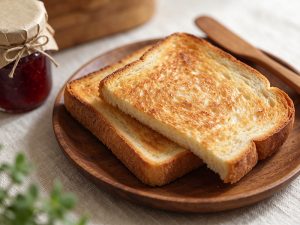
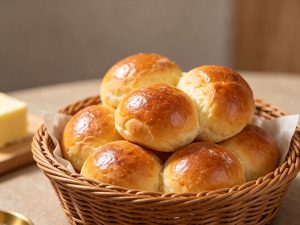
Bakery is a key use. En fait, it supports dough handling and crumb. Par exemple, it appears in bread, pastries, and soft baked items. En outre, it helps keep the product soft and even. Donc, bakery teams often evaluate it first.
Desserts and Cream Products
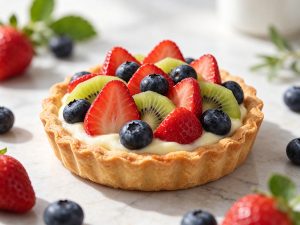
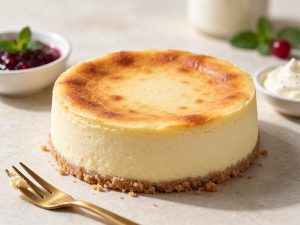
It also fits creamy blends. En fait, it stabilizes oil-water mixes in desserts. Par exemple, it works in fillings and cream-type products. En outre, it supports a smooth mouthfeel. Par conséquent, dessert producers consider it for texture control.
Other Processed Foods
Some processed foods use it too. En fait, it appears where fat and water meet. Par exemple, certain spreads and confectionery systems may carry it. En outre, the fit depends on the recipe. Donc, test it in your own system.
Grades and Specifications
Not all versions are identical. Ci-dessous, nous expliquons.
Grade and Balance
Suppliers offer different grades. En fait, each grade carries a specific balance of properties. Par exemple, some lean toward oil-facing behavior. En outre, the intended product guides the choice. Donc, match the grade to your application.
Documentation to Expect
A serious supplier provides technical files. En fait, a specification sheet lists composition and parameters. Par exemple, it may cover appearance, melting range, et conseils d'utilisation. En outre, compliance papers confirm the food-grade status. Par conséquent, buyers review the files before ordering.
Packaging and Storage
Packaging protects the ingredient. En fait, food emulsifiers require dry, sealed storage. Par exemple, gardez-les à l’abri de l’humidité et de la chaleur directe. En outre, suivez les conseils de durée de conservation sur l'étiquette. Donc, storage details matter in procurement.
What Buyers Should Check
A short checklist protects the purchase. Ci-dessous, nous expliquons.
Does the Grade Fit Your System?
Match the grade to your product first. En fait, an oil-in-water blend differs from a fat-rich system. Par exemple, review the balance before trial. En outre, run a small test batch. Donc, the fit gets confirmed in practice.
Are the Compliance Files Complete?
Check the supporting documents. En fait, food use requires clear compliance status. Par exemple, request the specification and relevant certificates. En outre, confirm the applicable regional requirements. Par conséquent, the decision rests on documented facts.
What Technical Support Is Offered?
Support helps with selection. En fait, a good supplier answers formulation questions. Par exemple, they can advise on grade matching and trial steps. En outre, they respond to consistency concerns. Donc, ask about support early.
FAQ About PGMS E477 Propylene Glycol Ester
Propylene glycol monostearate. En fait, it pairs propylene glycol with stearic acid. Par exemple, the resulting molecule acts as an emulsifier. En outre, it carries the E477 code. Donc, name and code refer to the same family.
E477 denotes propylene glycol esters of fatty acids. En fait, they emulsify fat and water blends. Par exemple, they appear in bakery and desserts. En outre, they support texture and stability. Donc, they serve processed food formulations.
Bread, pastries, cream fillings, and some spreads. En fait, it works where oil and water meet. Par exemple, bakery teams use it for crumb quality. En outre, dessert producers use it for smoothness. Donc, these are the common applications.
Check grade fit, documentation, and technical support. En fait, review the specification sheet first. Par exemple, confirm the food-grade compliance files. En outre, ask about trial guidance. Donc, a supplier who answers these points is worth considering.
Conclusion
PGMS E477 propylene glycol ester is a food emulsifier used in bakery, desserts, and other blended products. Dans cet article, we covered its identity, applications, grades, and the checklist buyers follow before sourcing. If you are evaluating this ingredient for your own production, a clear grade match and complete documentation protect your decision.
Maintenant, nous aimerions vous aider à passer à l'étape suivante. If you have questions about PGMS E477 propylene glycol ester, grades disponibles, ou votre propre formulation, veuillez laisser un message sur notre formulaire de site Web. Notre équipe chez Cardlo examinera vos besoins et vous répondra dans les plus brefs délais. Nous sommes impatients de vous aider à construire des produits de haute qualité, produits à succès.