If you are looking for a reliable emulsifier, PGMS E477 propylene glycol ester is a common choice in food formulation. Sebenarnya, it serves bakery and processed food systems. This article explains what the ingredient is. We also cover its main applications, available grades, and the points buyers should check. Pada penghujungnya, you will know how to approach sourcing it.
What Is PGMS E477 Propylene Glycol Ester?
Start with the basics. Di bawah, kami terangkan.
Chemical Identity
PGMS stands for propylene glycol monostearate. Sebenarnya, it forms from propylene glycol and stearic acid. Contohnya, the molecule carries an oil-loving fatty chain and a water-facing side. Selain itu, this dual character lets it work at the oil-water boundary. Oleh itu, it acts as an emulsifier.
The E477 Additive Code
E477 is the regional food additive number. Sebenarnya, it refers to propylene glycol esters of fatty acids. Contohnya, regulators list the code on approved ingredient lists. Selain itu, the code helps identify the family in formulation documents. Akibatnya, buyers can match the ingredient by name and code.
Role in a Formulation
The main role is emulsification. Sebenarnya, it helps keep fat and water evenly blended. Contohnya, it supports a stable texture over shelf life. Selain itu, it can contribute to crumb structure in baked goods. Oleh itu, it serves both stability and quality goals.
Main Applications
The ingredient appears in specific food categories. Di bawah, kami terangkan.
Bakery Products
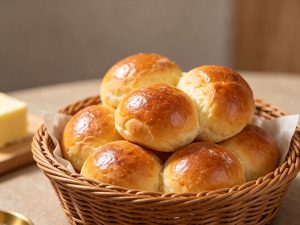
Bakery is a key use. Sebenarnya, it supports dough handling and crumb. Contohnya, it appears in bread, pastries, and soft baked items. Selain itu, it helps keep the product soft and even. Oleh itu, bakery teams often evaluate it first.
Desserts and Cream Products
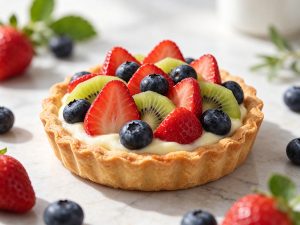
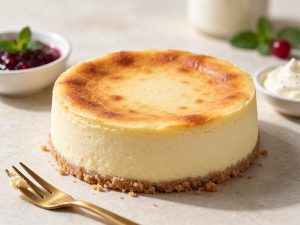
It also fits creamy blends. Sebenarnya, it stabilizes oil-water mixes in desserts. Contohnya, it works in fillings and cream-type products. Selain itu, it supports a smooth mouthfeel. Akibatnya, dessert producers consider it for texture control.
Other Processed Foods
Some processed foods use it too. Sebenarnya, it appears where fat and water meet. Contohnya, certain spreads and confectionery systems may carry it. Selain itu, the fit depends on the recipe. Oleh itu, test it in your own system.
Grades and Specifications
Not all versions are identical. Di bawah, kami terangkan.
Grade and Balance
Suppliers offer different grades. Sebenarnya, each grade carries a specific balance of properties. Contohnya, some lean toward oil-facing behavior. Selain itu, the intended product guides the choice. Oleh itu, match the grade to your application.
Documentation to Expect
A serious supplier provides technical files. Sebenarnya, a specification sheet lists composition and parameters. Contohnya, it may cover appearance, melting range, and usage guidance. Selain itu, compliance papers confirm the food-grade status. Akibatnya, buyers review the files before ordering.
Packaging and Storage
Packaging protects the ingredient. Sebenarnya, food emulsifiers require dry, sealed storage. Contohnya, keep them away from moisture and direct heat. Selain itu, follow the shelf-life guidance on the label. Oleh itu, storage details matter in procurement.
What Buyers Should Check
A short checklist protects the purchase. Di bawah, kami terangkan.
Does the Grade Fit Your System?
Match the grade to your product first. Sebenarnya, an oil-in-water blend differs from a fat-rich system. Contohnya, review the balance before trial. Selain itu, run a small test batch. Oleh itu, the fit gets confirmed in practice.
Are the Compliance Files Complete?
Check the supporting documents. Sebenarnya, food use requires clear compliance status. Contohnya, request the specification and relevant certificates. Selain itu, confirm the applicable regional requirements. Akibatnya, the decision rests on documented facts.
What Technical Support Is Offered?
Support helps with selection. Sebenarnya, a good supplier answers formulation questions. Contohnya, they can advise on grade matching and trial steps. Selain itu, they respond to consistency concerns. Oleh itu, ask about support early.
FAQ About PGMS E477 Propylene Glycol Ester
Propylene glycol monostearate. Sebenarnya, it pairs propylene glycol with stearic acid. Contohnya, the resulting molecule acts as an emulsifier. Selain itu, it carries the E477 code. Oleh itu, name and code refer to the same family.
E477 denotes propylene glycol esters of fatty acids. Sebenarnya, they emulsify fat and water blends. Contohnya, they appear in bakery and desserts. Selain itu, they support texture and stability. Oleh itu, they serve processed food formulations.
Bread, pastries, cream fillings, and some spreads. Sebenarnya, it works where oil and water meet. Contohnya, bakery teams use it for crumb quality. Selain itu, dessert producers use it for smoothness. Oleh itu, these are the common applications.
Check grade fit, documentation, and technical support. Sebenarnya, review the specification sheet first. Contohnya, confirm the food-grade compliance files. Selain itu, ask about trial guidance. Oleh itu, a supplier who answers these points is worth considering.
Kesimpulan
PGMS E477 propylene glycol ester is a food emulsifier used in bakery, desserts, and other blended products. Dalam artikel ini, we covered its identity, applications, grades, and the checklist buyers follow before sourcing. If you are evaluating this ingredient for your own production, a clear grade match and complete documentation protect your decision.
Sekarang, kami ingin membantu anda mengambil langkah seterusnya. If you have questions about PGMS E477 propylene glycol ester, available grades, atau formulasi anda sendiri, sila tinggalkan mesej pada borang laman web kami. Pasukan kami di Cardlo akan menyemak keperluan anda dan membalas secepat mungkin. Kami berharap dapat membantu anda membina kualiti tinggi, produk yang berjaya.