Sucrose plays more than one role. Sa totoo lang, it works in food on its own, and it works inside other ingredients. Sa artikulong ito, we explain the function of sucrose. We start with its role in everyday food. Bilang karagdagan, we look at what the sucrose part does inside sucrose esters. Sa pagtatapos, both roles will be clear.
Sucrose in Everyday Food
Una, its role as an ingredient. sa ibaba, paliwanag namin.
Sweetness
The main function is sweetness. Sa totoo lang, sucrose gives a clean, familiar taste. Halimbawa, it balances bitter and sour notes. Bilang karagdagan, it rounds out flavor. Samakatuwid, it sits at the center of many recipes.
Texture and Body
Sucrose shapes texture too. Sa totoo lang, it affects viscosity and moisture. Halimbawa, it keeps a baked item tender. Bilang karagdagan, it contributes body to drinks and desserts. Bilang resulta, mouthfeel depends on it.
Browning and Crust
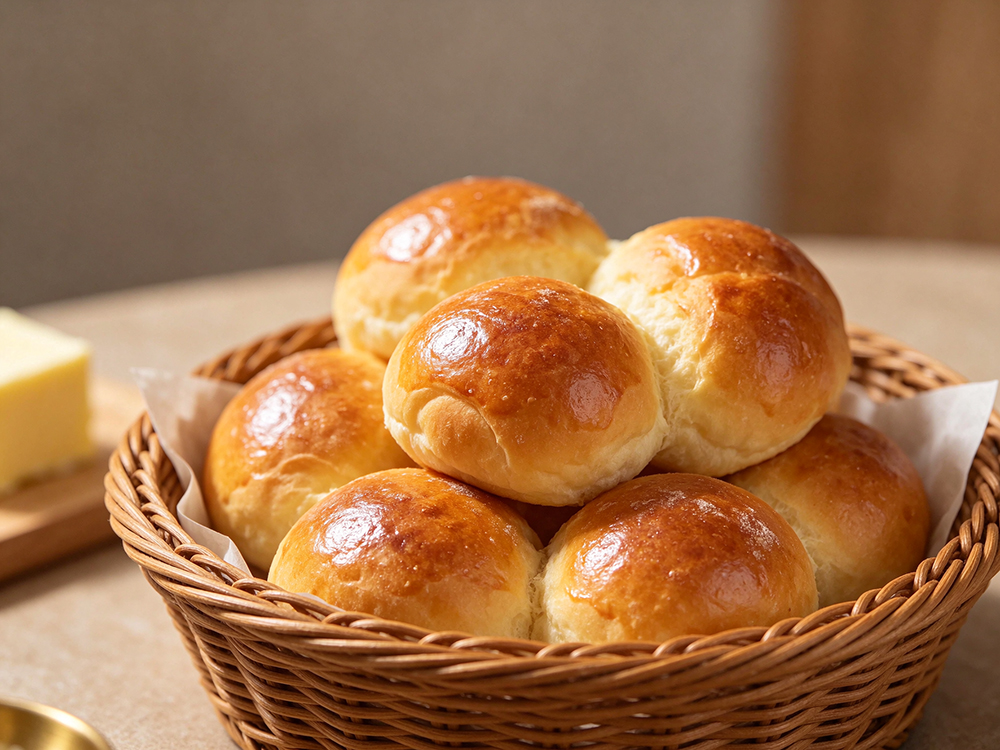
Sucrose supports browning. Sa totoo lang, it reacts with heat during baking. Halimbawa, it forms color and aroma in a crust. Bilang karagdagan, it builds a golden surface. Samakatuwid, it contributes to appearance.
Preservation and Shelf Life
It also helps preserve. Sa totoo lang, it lowers available water in some products. Halimbawa, it supports jams and confectionery. Bilang karagdagan, it limits microbial growth in high-sugar systems. Bilang resulta, shelf life extends.
Sucrose Inside Sucrose Esters
Ngayon, its role inside the emulsifier. sa ibaba, paliwanag namin.
The Hydrophilic Backbone
In sucrose esters, sucrose forms the water-loving side. Sa totoo lang, its multiple hydroxyl groups interact with water. Halimbawa, this anchors the molecule in the water phase. Bilang karagdagan, it balances the fatty acid chain. Samakatuwid, it acts as the backbone.
The Scaffold for Attachment
Sucrose also provides the attachment points. Sa totoo lang, fatty acids connect to its groups. Halimbawa, one or more acids join through ester bonds. Bilang karagdagan, the number attached changes the balance. Samakatuwid, the scaffold defines the molecule.
Shaping the Emulsifier Balance
The sucrose part shapes the HLB character. Sa totoo lang, a larger sugar portion leans water-loving. Halimbawa, this suits oil-in-water systems. Bilang karagdagan, fatty acid content shifts the other way. Bilang resulta, the ratio sets the grade.
How the Two Parts Work Together
An emulsifier needs both sides. sa ibaba, paliwanag namin.
One Side Faces Water, One Faces Fat
The molecule splits its character. Sa totoo lang, the sucrose side interacts with water. Halimbawa, it stays in the water phase. Bilang karagdagan, the fatty acid side anchors in fat. Samakatuwid, it bridges the two liquids.
Holding the Blend Stable
This bridge keeps the product even. Sa totoo lang, the molecule surrounds small droplets. Halimbawa, it forms a protective layer. Bilang karagdagan, it prevents droplets from merging. Bilang resulta, the emulsion stays stable.
What This Means for Formulation
The sugar part matters in selection. sa ibaba, paliwanag namin.
Matching the Balance to the Product
Choose the grade by system type. Sa totoo lang, an oil-in-water blend leans water-loving. Halimbawa, a fat-rich product needs an oil-leaning grade. Bilang karagdagan, trial batches confirm the fit. Samakatuwid, match the grade first.
Reading the Product Name
The name reflects the structure. Sa totoo lang, “sucrose” signals the backbone. Halimbawa, the fatty acid type appears in the full name. Bilang karagdagan, the grade lists the balance. Bilang resulta, the label reveals the design.
FAQ About Sucrose and Its Function
It sweetens, builds texture, supports browning, and preserves. Sa totoo lang, each role serves a product goal. Halimbawa, it keeps a baked item tender. Bilang karagdagan, it contributes body. Samakatuwid, it is a multi-function ingredient.
It forms the hydrophilic backbone. Sa totoo lang, its groups interact with water. Halimbawa, they anchor the molecule in the water phase. Bilang karagdagan, they provide attachment points. Samakatuwid, it shapes the emulsifier.
It provides the oil-loving side. Sa totoo lang, it balances the sucrose portion. Halimbawa, its chain length shifts the character. Bilang karagdagan, the ratio sets the grade. Samakatuwid, the two parts define the product.
Match the balance to your system. Sa totoo lang, the product type guides the choice. Halimbawa, an oil-in-water blend leans one way. Bilang karagdagan, test in a small batch. Samakatuwid, trials confirm the fit.
Konklusyon
Sucrose functions as an ingredient in food, and as the hydrophilic backbone inside sucrose esters. Sa artikulong ito, we covered its sweetness, texture, browning, and preservation roles, then explained how the sugar part shapes the emulsifier. If you are developing a product, this two-level view helps you understand the ingredient clearly.
Ngayon, gusto naming tulungan kang gawin ang susunod na hakbang. Kung mayroon kang mga tanong tungkol sa sucrose esters, their grades, o ang iyong sariling pormulasyon, mangyaring mag-iwan ng mensahe sa aming website form. Susuriin ng aming team sa Cardlo ang iyong mga pangangailangan at tutugon sa lalong madaling panahon. Inaasahan namin ang pagtulong sa iyo na bumuo ng mataas na kalidad, matagumpay na mga produkto.