Sucrose esters appear on many food labels, yet few shoppers know what they are. Sa totoo lang, they are a well-established emulsifier family. Sa artikulong ito, we explain what sucrose esters are. We look at their structure first. Bilang karagdagan, we describe how they work and where they appear. Sa pagtatapos, the label will read clearly.
The Basic Definition
Start with the short answer. sa ibaba, paliwanag namin.
An Ester of Sucrose and Fatty Acids
Sucrose esters form from sucrose and fatty acids. Sa totoo lang, the two join through ester bonds. Halimbawa, the sucrose part stays in the molecule. Bilang karagdagan, one or more fatty acids attach. Samakatuwid, the material combines both sides.
A Food Emulsifier
Their main role is emulsification. Sa totoo lang, they bind oil and water. Halimbawa, they keep a blend smooth and even. Bilang karagdagan, they support foam and texture. Samakatuwid, they serve food production.
The Structure Behind the Function
The molecule has two sides. sa ibaba, paliwanag namin.
The Water-Loving Sucrose Side
Sucrose carries several water-loving groups. Sa totoo lang, this side interacts with water. Halimbawa, it anchors the molecule in the water phase. Bilang karagdagan, it gives the material a hydrophilic character. Samakatuwid, that side faces water.
The Oil-Loving Fatty Acid Side
The fatty acid chain acts oil-loving. Sa totoo lang, this side interacts with fat. Halimbawa, it anchors in the oil phase. Bilang karagdagan, its length changes the balance. Bilang resulta, the molecule sits at the oil-water boundary.
How the Balance Varies
Different balances suit different products. Sa totoo lang, the number of fatty acids shifts the character. Halimbawa, some versions lean water-loving. Bilang karagdagan, others lean oil-loving. Samakatuwid, a range of grades exists.
How They Work in Food
The mechanism follows the emulsifier model. sa ibaba, paliwanag namin.
Stabilizing the Blend
Sucrose esters keep oil and water together. Sa totoo lang, the molecule surrounds small droplets. Halimbawa, it forms a layer around each one. Bilang karagdagan, it prevents droplets from merging. Samakatuwid, the blend stays stable.
Supporting Foam and Texture
They also affect structure. Sa totoo lang, some versions help hold air. Halimbawa, they support foam in aerated products. Bilang karagdagan, they improve smooth mouthfeel. Bilang resulta, texture improves.
Preventing Separation
Separation is the problem they solve. Sa totoo lang, oil and water split on their own. Halimbawa, a dressing can layer over time. Bilang karagdagan, the ester limits that split. Samakatuwid, the product stays even.
Common Foods That Use Them
They appear across categories. sa ibaba, paliwanag namin.
Bakery and Confectionery
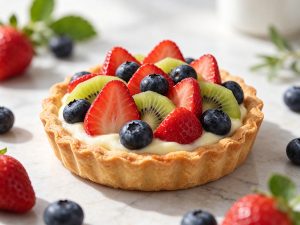
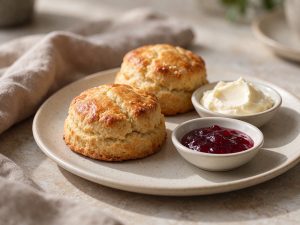
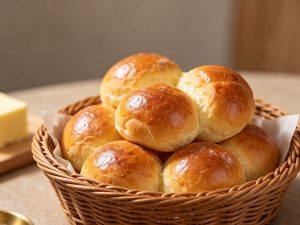
Bakery products use them for texture. Sa totoo lang, they soften crumb and support volume. Halimbawa, they appear in bread and sweet goods. Bilang karagdagan, they serve chocolate and fillings. Samakatuwid, they fit many baked foods.
Dairy and Frozen Desserts
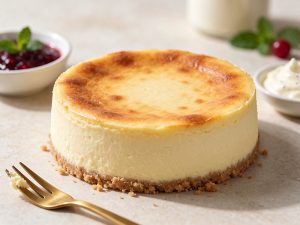
Dairy products rely on stable blends. Sa totoo lang, they keep fat and water together. Halimbawa, they support smooth frozen desserts. Bilang karagdagan, they limit large ice crystals. Bilang resulta, the mouthfeel stays creamy.
Beverages and Spreads
They also serve drinks and spreads. Sa totoo lang, they disperse flavors evenly. Halimbawa, they support stable beverage blends. Bilang karagdagan, they keep spreads smooth. Samakatuwid, they cover liquid and fat products.
Forms and Selection Notes
The material comes in practical forms. sa ibaba, paliwanag namin.
Powder and Liquid Grades
Sucrose esters are sold in different forms. Sa totoo lang, powders suit dry blends. Halimbawa, they mix into flour mixes. Bilang karagdagan, liquid grades suit fat or water bases. Samakatuwid, the form follows the process.
Matching the Grade to the Product
Selection follows the target balance. Sa totoo lang, the emulsifier type must fit the system. Halimbawa, an oil-in-water product needs a different grade than a fat-rich one. Bilang karagdagan, small trials confirm the fit. Samakatuwid, test before committing.
FAQ About Sucrose Esters
Sucrose and fatty acids. Sa totoo lang, they join through ester bonds. Halimbawa, the sucrose part acts water-loving. Bilang karagdagan, the fatty acid part acts oil-loving. Samakatuwid, the molecule emulsifies.
They stabilize oil-water blends. Sa totoo lang, they keep droplets separate. Halimbawa, they prevent separation in dressings. Bilang karagdagan, they support texture and foam. Samakatuwid, they improve the product.
Panaderya, kendi, pagawaan ng gatas, at kumakalat. Sa totoo lang, they appear across categories. Halimbawa, they serve frozen desserts. Bilang karagdagan, they appear in beverages. Samakatuwid, the list is broad.
Oo, sa pinahihintulutang antas. Sa totoo lang, regulators review them before approval. Halimbawa, permitted ranges are set. Bilang karagdagan, makers follow those limits. Samakatuwid, approved use has a basis.
Konklusyon
Sucrose esters are ester-based emulsifiers built from sucrose and fatty acids. Sa artikulong ito, we covered their structure, how they stabilize food systems, where they appear, and how grades are selected. If you are reading labels or developing a product, this basic overview helps you understand the ingredient clearly.
Ngayon, gusto naming tulungan kang gawin ang susunod na hakbang. Kung mayroon kang mga tanong tungkol sa sucrose esters, their grades, o ang iyong sariling pormulasyon, mangyaring mag-iwan ng mensahe sa aming website form. Susuriin ng aming team sa Cardlo ang iyong mga pangangailangan at tutugon sa lalong madaling panahon. Inaasahan namin ang pagtulong sa iyo na bumuo ng mataas na kalidad, matagumpay na mga produkto.