Sucrose plays more than one role. Na verdade, it works in food on its own, and it works inside other ingredients. Neste artigo, we explain the function of sucrose. We start with its role in everyday food. Além disso, we look at what the sucrose part does inside sucrose esters. No final, both roles will be clear.
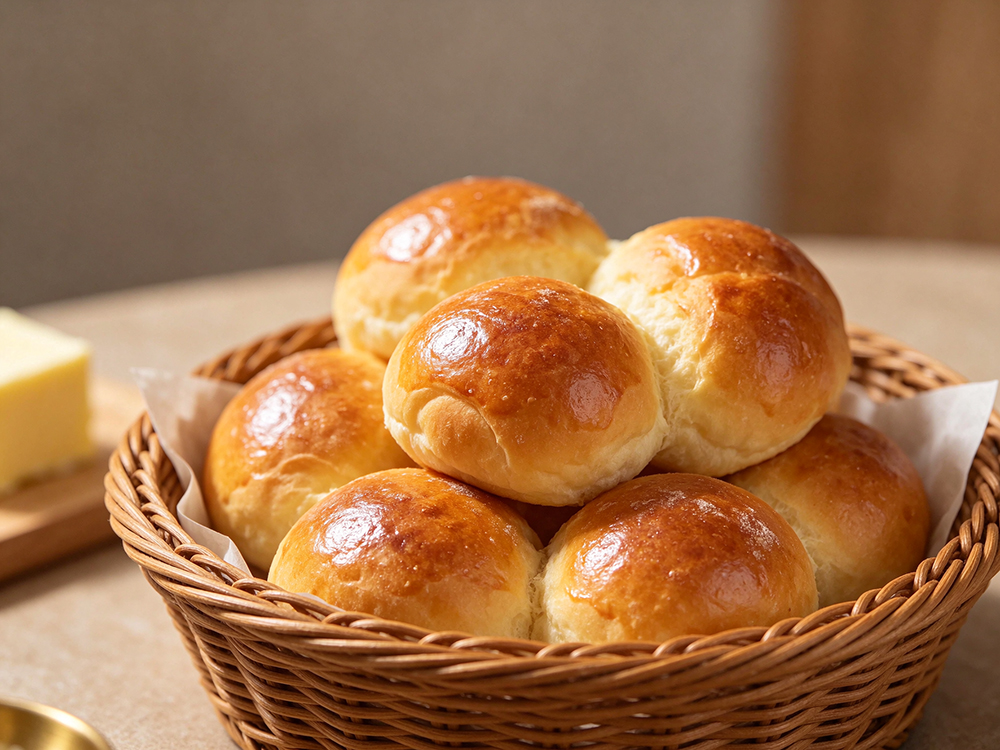
Sucrose in Everyday Food
Primeiro, its role as an ingredient. Abaixo, nós explicamos.
Sweetness
The main function is sweetness. Na verdade, sucrose gives a clean, familiar taste. Por exemplo, it balances bitter and sour notes. Além disso, it rounds out flavor. Portanto, it sits at the center of many recipes.
Texture and Body
Sucrose shapes texture too. Na verdade, it affects viscosity and moisture. Por exemplo, it keeps a baked item tender. Além disso, it contributes body to drinks and desserts. Como resultado, mouthfeel depends on it.
Browning and Crust
Sucrose supports browning. Na verdade, it reacts with heat during baking. Por exemplo, it forms color and aroma in a crust. Além disso, it builds a golden surface. Portanto, it contributes to appearance.
Preservation and Shelf Life
It also helps preserve. Na verdade, it lowers available water in some products. Por exemplo, it supports jams and confectionery. Além disso, it limits microbial growth in high-sugar systems. Como resultado, shelf life extends.
Sucrose Inside Sucrose Esters
Agora, its role inside the emulsifier. Abaixo, nós explicamos.
The Hydrophilic Backbone
In sucrose esters, sucrose forms the water-loving side. Na verdade, its multiple hydroxyl groups interact with water. Por exemplo, this anchors the molecule in the water phase. Além disso, it balances the fatty acid chain. Portanto, it acts as the backbone.
The Scaffold for Attachment
Sucrose also provides the attachment points. Na verdade, fatty acids connect to its groups. Por exemplo, one or more acids join through ester bonds. Além disso, the number attached changes the balance. Portanto, the scaffold defines the molecule.
Shaping the Emulsifier Balance
The sucrose part shapes the HLB character. Na verdade, a larger sugar portion leans water-loving. Por exemplo, this suits oil-in-water systems. Além disso, fatty acid content shifts the other way. Como resultado, the ratio sets the grade.
How the Two Parts Work Together
An emulsifier needs both sides. Abaixo, nós explicamos.
One Side Faces Water, One Faces Fat
The molecule splits its character. Na verdade, the sucrose side interacts with water. Por exemplo, it stays in the water phase. Além disso, the fatty acid side anchors in fat. Portanto, it bridges the two liquids.
Holding the Blend Stable
This bridge keeps the product even. Na verdade, the molecule surrounds small droplets. Por exemplo, it forms a protective layer. Além disso, it prevents droplets from merging. Como resultado, the emulsion stays stable.
What This Means for Formulation
The sugar part matters in selection. Abaixo, nós explicamos.
Matching the Balance to the Product
Choose the grade by system type. Na verdade, an oil-in-water blend leans water-loving. Por exemplo, a fat-rich product needs an oil-leaning grade. Além disso, trial batches confirm the fit. Portanto, match the grade first.
Reading the Product Name
The name reflects the structure. Na verdade, “sucrose” signals the backbone. Por exemplo, the fatty acid type appears in the full name. Além disso, the grade lists the balance. Como resultado, the label reveals the design.
FAQ About Sucrose and Its Function
It sweetens, builds texture, supports browning, and preserves. Na verdade, each role serves a product goal. Por exemplo, it keeps a baked item tender. Além disso, it contributes body. Portanto, it is a multi-function ingredient.
It forms the hydrophilic backbone. Na verdade, its groups interact with water. Por exemplo, they anchor the molecule in the water phase. Além disso, they provide attachment points. Portanto, it shapes the emulsifier.
It provides the oil-loving side. Na verdade, it balances the sucrose portion. Por exemplo, its chain length shifts the character. Além disso, the ratio sets the grade. Portanto, the two parts define the product.
Match the balance to your system. Na verdade, the product type guides the choice. Por exemplo, an oil-in-water blend leans one way. Além disso, test in a small batch. Portanto, trials confirm the fit.
Conclusão
Sucrose functions as an ingredient in food, and as the hydrophilic backbone inside sucrose esters. Neste artigo, we covered its sweetness, texture, browning, and preservation roles, then explained how the sugar part shapes the emulsifier. If you are developing a product, this two-level view helps you understand the ingredient clearly.
Agora, gostaríamos de ajudá-lo a dar o próximo passo. If you have questions about sucrose esters, their grades, ou sua própria formulação, por favor deixe uma mensagem no formulário do nosso site. Nossa equipe da Cardlo analisará suas necessidades e responderá o mais breve possível. Estamos ansiosos para ajudá-lo a construir produtos de alta qualidade, produtos de sucesso.