The numbers 1 and 5 mark two very common resins. In fact, each suits different jobs. In this article, we compare plastic code 1 and code 5. We look at what each does well. In addition, we compare them across everyday scenarios. By the end, you will know which fits your use.
What the Numbers Mean
Start with the basics. Below, we explain.
Code 1: PET
Code 1 marks PET. In fact, it is clear and strong. For example, it holds carbonated drinks well. In addition, it resists gas loss. Therefore, it suits bottles.
Code 5: PP
Code 5 marks polypropylene. In fact, it handles heat well. For example, it suits food containers. In addition, it resists many oils. Therefore, it fits kitchen uses.
Scenario 1: Cold Drinks and Bottles
Bottles favor one resin. Below, we explain.
Why PET Fits
PET serves cold drinks. In fact, it offers clarity and pressure resistance. For example, carbonated bottles depend on it. In addition, it stays light. Therefore, it leads this use.
Why PP Is Less Common Here
PP suits other formats. In fact, it is often opaque. For example, it serves caps and closures. In addition, it works for some jugs. As a result, it appears in support roles.
Scenario 2: Hot Food and Reheating
Heat changes the answer. Below, we explain.
Why PP Fits
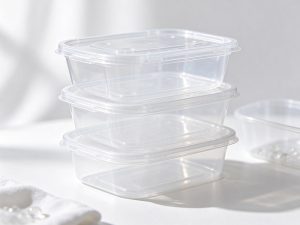
PP handles heat well. In fact, suitable grades suit hot fill and microwave use. For example, food boxes often use it. In addition, it resists oils. Therefore, it fits hot food.
Why PET Needs Care Here
PET has temperature limits. In fact, most PET items are not meant for boiling liquids. For example, a thin bottle may deform in heat. In addition, heat can affect performance. Therefore, follow the item’s rating.
Scenario 3: Reuse and Durability
Reuse depends on design. Below, we explain.
PP in Reusable Containers
PP suits reusable boxes. In fact, it tolerates washing and wear. For example, lunch boxes often use it. In addition, it holds shape well. Therefore, it fits repeated use.
PET and Single-Use Patterns
PET often serves single use. In fact, many bottles are designed for one trip. For example, thin walls limit reuse. In addition, repeated wear raises concern. Therefore, follow the intended use.
Scenario 4: Freezing and Cold Storage
Cold use adds its own test. Below, we explain.
Both Handle Cold
Both resins tolerate freezing. In fact, cold does not break either family. For example, frozen food bags use PE and PP. In addition, PET trays serve frozen goods. Therefore, cold is not the deciding factor.
What Decides Instead
Design and use decide. In fact, wall thickness matters. For example, a thin item may crack when frozen. In addition, flexibility affects handling. As a result, the product design guides the choice.
Scenario 5: Clarity and Appearance
Appearance drives selection. Below, we explain.
PET for Transparency
PET gives clear, glossy parts. In fact, it suits visible products. For example, beverage bottles show the drink. In addition, it prints well. Therefore, it serves display-driven uses.
PP for Practical Looks
PP offers practical options. In fact, it can be clear or opaque. For example, opaque boxes hide contents. In addition, it resists scratching. As a result, it fits everyday containers.
How to Decide Between Them
A short method helps. Below, we explain.
Start With the Use
The use comes first. In fact, temperature and content define the frame. For example, hot oil points to PP. In addition, a clear cold drink points to PET. Therefore, the use decides.
Then Confirm the Grade
The grade confirms suitability. In fact, food contact needs a suitable grade. For example, ask for a declaration of compliance. In addition, match the conditions of use. As a result, compliance completes the choice.
FAQ About Plastic Codes 1 and 5
Neither is better in general. In fact, each fits different uses. For example, PET suits cold drinks. In addition, PP suits hot food. Therefore, the use decides.
Usually not. In fact, most PET items have temperature limits. For example, hot liquid may deform a bottle. In addition, check the item’s rating. Therefore, follow the label.
Suitable grades are. In fact, many PP containers are microwave-safe. For example, the label states the rating. In addition, some are not suitable. Therefore, check before use.
Follow the intended use. In fact, many bottles are single-use by design. For example, thin walls limit reuse. In addition, wear reduces performance. Therefore, respect the label.
Conclusion
Codes 1 and 5 are both useful resins, and the better one depends on the job. In this article, we compared them across drinks, hot food, reuse, freezing, and appearance. If you are choosing packaging or specifying a material, this scenario-based view helps you pick with confidence.
Now, we would like to help you take the next step. If you have questions about plastic codes, packaging selection, or your own application, please leave a message on our website form. Our team at Cardlo will review your needs and reply as soon as possible. We look forward to helping you build high-quality, successful products.