Codes 2, 4, and 5 often appear on the same shelf. In fact, they belong to the same chemical family. In this article, we answer whether number 2, 4, or 5 plastic is safe. We explain what they share first. In addition, we show what each one does best. By the end, the numbers will make sense together.
One Family, Three Members
The three share a base chemistry. Below, we explain.
All Are Polyolefins
All three are polyolefins. In fact, they build on simple hydrocarbon chains. For example, they contain no chlorine or aromatic rings. In addition, they resist moisture well. Therefore, they behave in similar ways.
Why That Matters for Food Use
This chemistry supports food contact. In fact, polyolefins are widely used in packaging. For example, they carry low moisture and good inertness. In addition, suitable grades meet food rules. Therefore, the family is common.
Code 2: HDPE
This member is tough and rigid. Below, we explain.
Properties
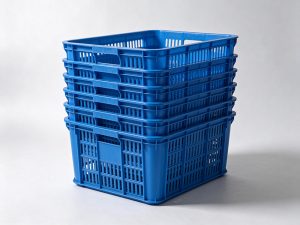
HDPE is strong and moisture-resistant. In fact, it handles impact well. For example, it suits rigid bottles. In addition, it resists many chemicals. Therefore, it serves durable items.
Typical Uses
HDPE appears in bottles and containers. In fact, milk and water jugs use it. For example, it serves detergent bottles. In addition, it works for cutting boards in some grades. As a result, it covers household uses.
Code 4: LDPE
This member is soft and flexible. Below, we explain.
Properties
LDPE is flexible and light. In fact, it forms thin films easily. For example, it seals well under heat. In addition, it resists moisture. Therefore, it serves packaging films.
Typical Uses
LDPE appears in bags and wraps. In fact, carrier bags and films use it. For example, it suits food wraps in suitable grades. In addition, it serves squeeze bottles. As a result, it covers flexible needs.
Code 5: PP
This member is heat-tolerant and light. Below, we explain.
Properties
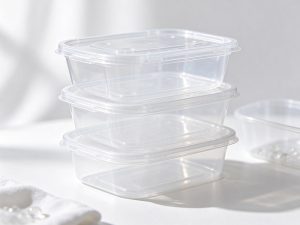
PP handles heat well. In fact, suitable grades suit hot fill and microwave use. For example, it resists oils. In addition, it stays light. Therefore, it fits kitchen containers.
Typical Uses
PP appears in boxes and caps. In fact, food containers often use it. For example, it serves microwave-safe boxes in the right grade. In addition, it works for automotive parts. As a result, it spans many sectors.
The Safety Question, Answered Properly
Safety follows the grade. Below, we explain.
Grade Decides, Not the Number
The code identifies the family only. In fact, it says nothing about food contact. For example, the same resin exists in industrial and food grades. In addition, only the food grade follows food rules. Therefore, the grade decides.
Conditions of Use Apply
Use conditions shape suitability. In fact, heat and fat raise migration potential. For example, hot oily food is a demanding case. In addition, cold dry storage is easier. Therefore, match the item to the use.
Documents Confirm Compliance
Paperwork answers the question. In fact, a declaration of compliance states the intended use. For example, it lists food types and temperatures. In addition, migration testing supports it. As a result, ask for documents.
How the Three Compare
A quick comparison helps. Below, we explain.
Rigidity and Flexibility
They differ in stiffness. In fact, HDPE is rigid. For example, LDPE is the most flexible. In addition, PP sits in between with good stiffness. Therefore, the part design follows the resin.
Heat Tolerance
Heat tolerance varies. In fact, PP offers the highest among the three. For example, it suits hot fill and reheating in suitable grades. In addition, HDPE and LDPE serve cooler uses. Therefore, heat guides the choice.
Clarity and Appearance
They also differ in look. In fact, HDPE is usually opaque. For example, LDPE films look hazy. In addition, PP can be clear or opaque. As a result, appearance shapes selection.
FAQ About Codes 2, 4, and 5
Suitable grades are. In fact, food-contact HDPE meets food rules. For example, milk jugs use it. In addition, check the declaration. Therefore, the grade decides.
Suitable grades are. In fact, food-grade LDPE serves wraps and bags. For example, it suits cold and dry contact. In addition, confirm the intended use. Therefore, check the documents.
Suitable grades are. In fact, many PP containers are microwave-safe. For example, the label states the rating. In addition, others are not suitable. Therefore, follow the label.
These three do not use BPA in their structure. In fact, polyolefins build on simple hydrocarbon chains. For example, BPA relates to other resin families. In addition, compliance still matters for additives. Therefore, check the grade.
Conclusion
Numbers 2, 4, and 5 belong to one chemical family, and each serves a different job. In this article, we explained what they share, what each does best, and why the grade decides safety. If you are choosing packaging or specifying a material, this family-level view helps you compare with confidence.
Now, we would like to help you take the next step. If you have questions about plastic codes, food-contact grades, or your own application, please leave a message on our website form. Our team at Cardlo will review your needs and reply as soon as possible. We look forward to helping you build high-quality, successful products.