A product-first view makes material choices easier to see. In fact, every item reflects a resin decision. In this article, we give five examples of plastic products. We name the resin behind each one. In addition, we explain why that choice works. By the end, you will connect products with materials.
Example 1: A Beverage Bottle
This item favors clarity and strength. Below, we explain.
The Resin Behind It
Most beverage bottles use PET. In fact, PET offers clarity and pressure resistance. For example, it holds carbonated drinks well. In addition, it stays light. Therefore, it suits bottles.
Why the Choice Works
The choice fits the job. In fact, bottles need gas retention. For example, a clear wall shows the drink. In addition, light weight cuts transport load. As a result, PET meets the need.
Example 2: A Milk Jug
This item favors toughness and opacity. Below, we explain.
The Resin Behind It
Milk jugs usually use HDPE. In fact, HDPE is tough and moisture-resistant. For example, it handles impact in transport. In addition, it blocks light that harms milk. Therefore, it suits dairy packaging.
Why the Choice Works
The choice protects the product. In fact, dairy needs light protection. For example, an opaque wall shields the milk. In addition, the rigid form stacks well. As a result, HDPE fits the supply chain.
Example 3: A Lunch Container
This item favors heat tolerance. Below, we explain.
The Resin Behind It
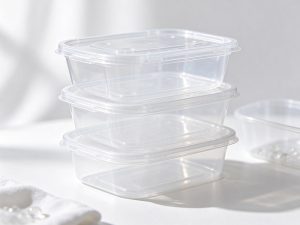
Food containers often use PP. In fact, PP handles heat well in suitable grades. For example, it suits microwave reheating. In addition, it resists oils. Therefore, it fits kitchen use.
Why the Choice Works
The choice fits daily habits. In fact, users reheat and wash containers. For example, a heat-tolerant box survives both. In addition, it holds shape. As a result, PP suits repeated use.
Example 4: A Carrier Bag
This item favors flexibility and strength. Below, we explain.
The Resin Behind It
Carrier bags usually use LDPE or HDPE. In fact, LDPE offers flexibility. For example, it forms thin, strong films. In addition, it seals well. Therefore, it suits bags and wraps.
Why the Choice Works
The choice fits the format. In fact, a bag must fold and carry. For example, a thin film holds load without bulk. In addition, it packs flat. As a result, the film design works.
Example 5: A Drainage Pipe
This item favors durability and chemical resistance. Below, we explain.
The Resin Behind It
Drainage pipes often use PVC. In fact, rigid PVC resists moisture and many chemicals. For example, it serves buried pipe systems. In addition, it holds shape under load. Therefore, it fits construction.
Why the Choice Works
The choice fits long service. In fact, pipes stay in place for decades. For example, the material resists soil moisture. In addition, joints seal reliably. As a result, PVC serves infrastructure.
What These Examples Teach
The pattern is clear. Below, we explain.
Form Follows Function
Each resin matches a need. In fact, clarity, heat, toughness, and flexibility drive choices. For example, a bottle needs clarity. In addition, a container needs heat tolerance. Therefore, the function guides the material.
Grade Still Matters
The resin name is not the whole story. In fact, the grade defines suitability. For example, food contact needs a food-grade resin. In addition, compliance documentation confirms it. As a result, check the grade for each use.
FAQ About Plastic Products
Bottles, jugs, containers, bags, and pipes. In fact, each uses a specific resin. For example, bottles use PET. In addition, jugs use HDPE. Therefore, examples map to materials.
PET, HDPE, and PP are very common. In fact, they cover bottles and containers. For example, PET serves drinks. In addition, PP serves food boxes. Therefore, they lead packaging.
Because needs differ. In fact, each resin has strengths. For example, PP handles heat. In addition, PET offers clarity. Therefore, the product guides the choice.
No. In fact, the grade decides suitability. For example, food contact needs a food grade. In addition, documents confirm compliance. Therefore, check the grade.
Conclusion
Five everyday products show how material choices follow function. In this article, we covered a bottle, a jug, a container, a bag, and a pipe, and explained the resin behind each. If you are designing a product or sourcing material, this product-first view helps you match resin to need.
Now, we would like to help you take the next step. If you have questions about plastic products, resin selection, or your own application, please leave a message on our website form. Our team at Cardlo will review your needs and reply as soon as possible. We look forward to helping you build high-quality, successful products.