A useful way to understand plastic additives is to start with problems. I själva verket, each additive solves a specific issue. I den här artikeln, förklarar vi what is plastic additives through that lens. We list common problems first. Dessutom, we match each one to the additive that answers it. I slutet, the categories will feel practical.
The Core Idea
Here is the short version. Nedan, förklarar vi.
Problem-Driven Materials
Plastic additives exist to fix issues. I själva verket, they adjust how a resin behaves. Till exempel, they may restore flexibility. Dessutom, they may slow aging. Därför, they serve defined needs.
A Small Addition, a Clear Change
Small amounts do the work. I själva verket, a modest share can shift behavior. Till exempel, a lubricant eases flow at a low dose. Dessutom, an antioxidant extends life. Som ett resultat, dosing decides the outcome.
Problem 1: The Part Cracks or Feels Brittle
Brittleness is a common complaint. Nedan, förklarar vi.
The Cause in Brief
Brittleness often follows aging or cold. I själva verket, polymer chains lose mobility. Till exempel, a part may crack under impact. Dessutom, low temperatures worsen it. Därför, the material needs support.
The Additives That Help
Two families answer this. I själva verket, impact modifiers absorb stress. Till exempel, they reduce cracking on impact. Dessutom, plasticizers add flexibility. Som ett resultat, the part bends instead of breaking.
Problem 2: The Color Turns Yellow
Yellowing signals degradation. Nedan, förklarar vi.
The Cause in Brief
Heat and light drive oxidation. I själva verket, the polymer reacts with oxygen. Till exempel, long exposure dulls the color. Dessutom, high processing heat speeds it up. Därför, protection is needed.
The Additives That Help
Antioxidants and stabilizers respond. I själva verket, antioxidants slow oxidation. Till exempel, they limit yellowing over time. Dessutom, heat stabilizers protect during processing. Som ett resultat, the appearance holds.
Problem 3: Processing Is Difficult
Poor flow slows production. Nedan, förklarar vi.
The Cause in Brief
Friction and melt behavior create problems. I själva verket, resin can stick to the machine. Till exempel, flow may stall in the die. Dessutom, output may drop. Därför, the melt needs help.
The Additives That Help
Lubricants address this. I själva verket, internal lubricants improve flow. Till exempel, they reduce melt viscosity. Dessutom, external lubricants ease release. Som ett resultat, processing runs smoother.
Problem 4: The Part Must Resist Fire
Some applications carry fire risk. Nedan, förklarar vi.
The Cause in Brief
Polymers can ignite and spread flame. I själva verket, many resins burn readily. Till exempel, electrical parts face this risk. Dessutom, cables need protection. Därför, standards apply.
The Additives That Help
Flame retardants respond. I själva verket, they slow ignition and spread. Till exempel, they support safety requirements. Dessutom, they follow market standards. Som ett resultat, the part meets the rule.
Problem 5: Cost or Weight Is Too High
Economics and weight both matter. Nedan, förklarar vi.
The Cause in Brief
Resin cost and density add up. I själva verket, a heavy part uses more material. Till exempel, thick sections raise weight. Dessutom, specialty resins raise cost. Därför, alternatives are welcome.
The Additives That Help
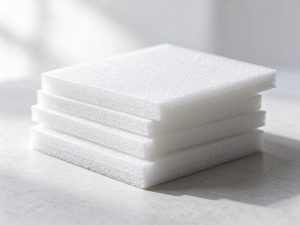
Fillers and blowing agents answer this. I själva verket, fillers add bulk and stiffness. Till exempel, they can lower resin use. Dessutom, blowing agents create foam. Som ett resultat, weight drops.
Problem 6: The Look Is Not Right
Appearance drives perception. Nedan, förklarar vi.
The Cause in Brief
Color and surface vary by batch. I själva verket, resin tone can shift. Till exempel, recycled streams vary more. Dessutom, surface finish may dull. Därför, appearance needs control.
The Additives That Help
Colorants and processing aids respond. I själva verket, colorants set the shade. Till exempel, they keep batches consistent. Dessutom, aids improve surface finish. Som ett resultat, the look stays stable.
FAQ About Plastic Additives
Materials that adjust how a resin behaves. I själva verket, they solve specific problems. Till exempel, they add flexibility or stability. Dessutom, they ease processing. Därför, they shape the product.
Start with the problem. I själva verket, each issue maps to a family. Till exempel, cracking points to impact modifiers. Dessutom, yellowing points to antioxidants. Därför, diagnose first.
Vanligtvis, yes. I själva verket, modest levels can shift performance. Till exempel, a lubricant works at a low dose. Dessutom, dosing must stay controlled. Därför, precision matters.
Ja, by application. I själva verket, rules vary by market and use. Till exempel, food-contact parts follow strict rules. Dessutom, electrical goods meet safety standards. Därför, confirm the framework.
Slutsats
Plastic additives are best understood as answers to real problems. I den här artikeln, we matched six common issues, from brittleness to appearance, to the families that solve them. If you are formulating a compound or troubleshooting a part, this problem-first view helps you choose with confidence.
Nu, vi vill gärna hjälpa dig ta nästa steg. If you have questions about plastic additives, a specific problem, eller din egen formulering, vänligen lämna ett meddelande på vårt webbformulär. Vårt team på Cardlo kommer att granska dina behov och svara så snart som möjligt. Vi ser fram emot att hjälpa dig bygga hög kvalitet, framgångsrika produkter.