Some foods carry a light touch of emulsifiers, while others rely on them heavily. If you want to understand your food, it helps to know which products sit at the top. In this article, we answer what foods contain the most emulsifiers. We also explain why these products need them and how to spot a high-level item at the store. By the end, you will read labels with new clarity.

Why Some Foods Carry More Emulsifiers
The amount depends on the recipe and the texture goals. In general, a product needs more emulsionantes when it must stay stable for a long time. For example, a creamy product with a long shelf life usually carries a higher level. In contrast, a simple or dry product may need very little. Therefore, the level varies by food category.
The Foods That Typically Contain the Most Emulsifiers
Below, we list the categories that tend to sit at the top. Keep in mind that exact levels vary by brand and recipe.
Mayonnaise and Bottled Dressings
Mayonnaise is among the highest. In fact, it depends on emulsifiers to keep its thick, creamy form. Bottled dressings follow closely. For example, a creamy dressing must stay smooth during long storage. As a result, this group often carries a notable level.
Margarines and Spreads
Margarines and soft spreads also rank high. In fact, they combine water and fat in a way that needs strong support. For instance, a spread must stay smooth and easy to use. In addition, it must resist separation over time. Therefore, these products frequently contain a meaningful amount.
Ice Cream and Frozen Desserts
Frozen desserts rely on emulsifiers as well. In fact, they hold water, fat, and air in a delicate balance. For example, an emulsifier prevents a coarse or icy texture. In addition, it keeps the scoop smooth. Consequently, ice cream often lists them among its ingredients.
Baked Goods and Bakery Fillings
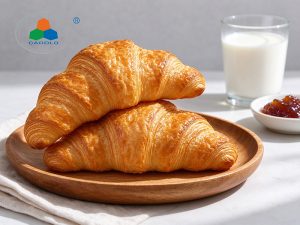
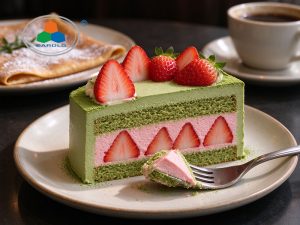
Many baked goods use emulsifiers for softness. Breads, cakes, and pastries all benefit. In particular, an emulsifier helps dough hold air and stay fresh. In addition, creamy fillings rely on them for a smooth texture. As a result, this category shows up often on the high list.
Processed Meats and Savory Snacks
Some processed meats and snacks also carry emulsifiers. For example, certain sausages and pâtés use them to bind ingredients. In addition, creamy snack dips often need support. Therefore, these products can contain a higher level than you might expect.
Chocolate and Confectionery
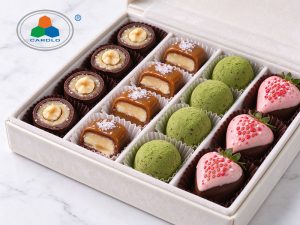
Chocolate and sweets are a final example. In fact, an emulsifier helps the cocoa butter and cocoa solids stay mixed. For instance, it improves the smooth, glossy finish. In addition, it prevents the chocolate from separating. Consequently, confectionery often includes a small but steady amount.
Processed vs. Natural Foods
There is a clear pattern behind the high list. In general, heavily processed foods carry the most emulsifiers. In contrast, whole and minimally processed foods rarely need them. For example, fresh fruit, plain grains, and simple meats contain none. Therefore, the level often tracks how processed a product is.
How to Spot a High-Level Product at the Store
You can identify a high-level product with a quick scan. First, check the ingredient list for several emulsifier names. In general, seeing more than one suggests a higher total level. Próximo, note how early each one appears, because the order reflects the amount. For example, an emulsifier listed near the top is present in a larger quantity. As a result, you can estimate the level at a glance.
FAQ About Emulsifier Levels in Food
Q:Which food has the most emulsifiers?
A:Mayonnaise and bottled dressings are among the highest. In addition, margarines and spreads also rank near the top. Therefore, these creamy products often carry the most.
Q:Do frozen foods contain many emulsifiers?
A:Some do. For example, ice cream and frozen desserts often contain them. In general, the level depends on the recipe. Therefore, check each label to be sure.
Q:Are high emulsifier levels a reason for concern?
A:Not by itself. Regulators review these ingredients before approving their use. In general, they are safe at permitted levels. As a result, the amount is not a cause for alarm.
Q:How can I reduce emulsifiers in my diet?
A:Choose whole and minimally processed foods. In fact, fresh produce, plain grains, and simple meats contain no added emulsifiers. For example, cooking at home gives you full control. Therefore, a short shopping list is the easiest path.
Conclusion
Certain foods carry more emulsifiers than others. In this article, we covered the categories that tend to contain the most, such as mayonnaise, dressings, margarines, ice cream, baked goods, processed meats, and confectionery. We also explained the pattern behind the high list and how to spot these products at the store. If you are developing a product or simply reading labels, this overview gives you a clear picture.
Now, we would like to help you take the next step. If you have questions about emulsifier levels, sources, or your own formulation, please leave a message on our website form. Our team at Cardlo will review your needs and reply as soon as possible. We look forward to helping you choose the right options with confidence.