If you are evaluating a lactylate emulgator for bakery or mixed food systems, SSL E481 sodium stearoyl lactylate is a standard option. W rzeczywistości, it serves both dough conditioning and emulsifying roles. This article explains what the ingredient is. We also cover its function, typowe zastosowania, and the points buyers should confirm. Do końca, będziesz mieć jasny przegląd źródeł zaopatrzenia.
What Is SSL E481?
Start with the identity. Poniżej, wyjaśniamy.
The Lactylate Base
SSL builds from stearic acid and lactic acid. W rzeczywistości, the two link through lactyl groups before forming the final salt. Na przykład, the stearoyl chain provides an oil-facing side. Ponadto, the lactylate portion carries a water-facing character. Dlatego, the molecule bridges fat and water in the system.
The Sodium Salt
SSL is the sodium salt of stearoyl lactylate. W rzeczywistości, the sodium ion is what sets it apart from related lactylates. Na przykład, this salt choice affects how the ingredient disperses and behaves. Ponadto, the mineral source appears on the specification. W rezultacie, buyers check the salt type in the document.
The E481 Additive Code
E481 is the regional food additive number. W rzeczywistości, it refers to sodium stearoyl lactylate. Na przykład, regulators list the code on approved bakery ingredient lists. Ponadto, the code helps identify the family in formulation documents. Dlatego, buyers match the ingredient by name and code.
Its Roles in Food
The ingredient covers two main functions. Poniżej, wyjaśniamy.
Dough Conditioning
SSL interacts with the dough structure during mixing. W rzeczywistości, it supports the handling properties of the gluten network. Na przykład, this helps the dough hold gas during proofing. Ponadto, it can improve machine handling on production lines. Dlatego, bakers evaluate it for dough stability.
Emulsification in Mixed Systems
Beyond bakery, SSL acts as an emulsifier. W rzeczywistości, it helps blend fat and water in creamy products. Na przykład, it supports a smooth, uniform texture in mixed systems. Ponadto, its balance suits oil-in-water-type blends. W rezultacie, it appears in several food categories.
Crumb, Volume, and Uniformity
In baked goods, it contributes to the finished crumb. W rzeczywistości, a stronger dough can expand more evenly in the oven. Na przykład, this leads to a fine crumb and consistent loaf shape. Ponadto, the result depends on flour, recipe, and baking conditions. Dlatego, treat it as one part of the formulation.
Typowe zastosowania
The ingredient covers several product categories. Poniżej, wyjaśniamy.
Bread and Rolls
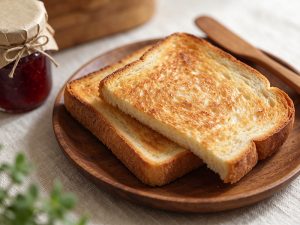
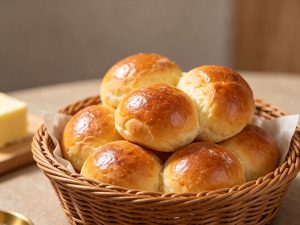
Plain bread and rolls are the core use. W rzeczywistości, lactylate conditioners appear in sandwich bread and similar loaves. Na przykład, they support crumb softness and loaf shape. Ponadto, production bakeries use them for batch consistency. Dlatego, bread is the first category to check.
Whipped and Creamy Products
Some whipped and creamy products use SSL too. W rzeczywistości, its emulsifying role suits fat-water blends. Na przykład, it may appear in cream-type toppings and fillings. Ponadto, dopasowanie zależy od pełnego przepisu. W rezultacie, test it in your own creamy system.
Crackers and Savory Baked Snacks
Crackers and certain baked snacks may employ it as well. W rzeczywistości, conditioners support dough handling in sheeted products. Na przykład, they can contribute to even processing and texture. Ponadto, the salt and fat levels in the recipe affect the fit. Dlatego, evaluate it for savory doughs too.
SSL vs. Related Lactylates
One clarification helps selection. Poniżej, wyjaśniamy.
The Salt Difference
SSL uses sodium, while related lactylates use other cations. W rzeczywistości, the salt choice changes dispersion and behavior slightly. Na przykład, CSL uses a calcium salt instead. Ponadto, the intended product guides which one to pick. Dlatego, compare the details on each spec sheet.
Matching the Choice to Your System
No single lactylate fits every recipe. W rzeczywistości, your dough type and target texture lead the choice. Na przykład, review how the ingredient disperses in your process. Ponadto, run side-by-side trial batches. W rezultacie, the comparison confirms the better fit.
What Buyers Should Check
A short checklist protects the purchase. Poniżej, wyjaśniamy.
Grade and Purity Parameters
Review the specification first. W rzeczywistości, the spec sheet lists composition and quality parameters. Na przykład, it may cover appearance, purity, and acid or salt values. Ponadto, match the grade to your food need. Dlatego, compare documents across suppliers.
Usage Guidance and Trials
Ask how the ingredient fits your recipe. W rzeczywistości, the addition level follows the product type and process. Na przykład, start with supplier-recommended trial ranges. Ponadto, adjust in small test batches. Dlatego, never rely on a fixed figure across recipes.
Documentation and Compliance
Food use requires clear supporting files. W rzeczywistości, request the specification and compliance papers. Na przykład, confirm the food-grade status and regional applicability. Ponadto, check storage conditions and shelf life. Dlatego, base the decision on documented facts.
FAQ About SSL E481 Sodium Stearoyl Lactylate
Sodium stearoyl lactylate, a lactylate emulsifier and dough conditioner. W rzeczywistości, it pairs stearic and lactic acid in a sodium salt. Na przykład, it carries the E481 additive code. Ponadto, it serves bakery and mixed food systems. Dlatego, name and code refer to the same ingredient.
It conditions dough and emulsifies fat-water blends. W rzeczywistości, it supports handling and smooth texture. Na przykład, bread, kremy, and snacks may use it. Ponadto, the result depends on the full recipe. Dlatego, confirm the effect through trial batches.
SSL uses a sodium salt; CSL uses a calcium salt. W rzeczywistości, the cation changes dispersion and behavior slightly. Na przykład, the specification records the salt type. Ponadto, the product system guides the pick. Dlatego, compare the two on the spec sheet.
Grade parameters, usage guidance, and compliance files. W rzeczywistości, review the specification sheet first. Na przykład, ask about trial ranges and storage conditions. Ponadto, potwierdzić odpowiedni status spożywczy. Dlatego, te punkty kierują Twoim wyborem.
Wniosek
SSL E481 sodium stearoyl lactylate is a sodium-based lactylate emulsifier and dough conditioner, used in bread, creamy blends, and savory baked snacks. W tym artykule, we covered its structure, roles, applications, how it compares to related lactylates, and the checklist buyers follow before sourcing. If you are developing food products, a clear grade match and trial-based usage protect your formulation.
Teraz, chcielibyśmy pomóc Ci zrobić kolejny krok. If you have questions about SSL E481 sodium stearoyl lactylate, dostępne stopnie, lub własny przepis, zostaw wiadomość w formularzu na naszej stronie internetowej. Nasz zespół Cardlo sprawdzi Twoje potrzeby i odpowie tak szybko, jak to możliwe. Z niecierpliwością czekamy na pomoc w tworzeniu wysokiej jakości, udane produkty.