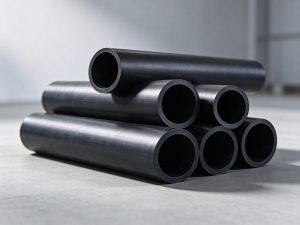
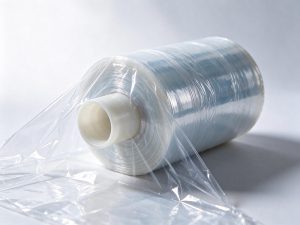
A plastic product passes through several hands before it reaches a user. In werkelijkheid, each stage adds a requirement. In dit artikel, we answer what are plastic additives and why they matter. We follow the supply chain from compounding to end use. In aanvulling, we show what each link needs. Tegen het einde, the importance will be concrete.
A Short Definition
Start with the basic idea. Onderstaand, wij leggen het uit.
Materials Added to a Resin
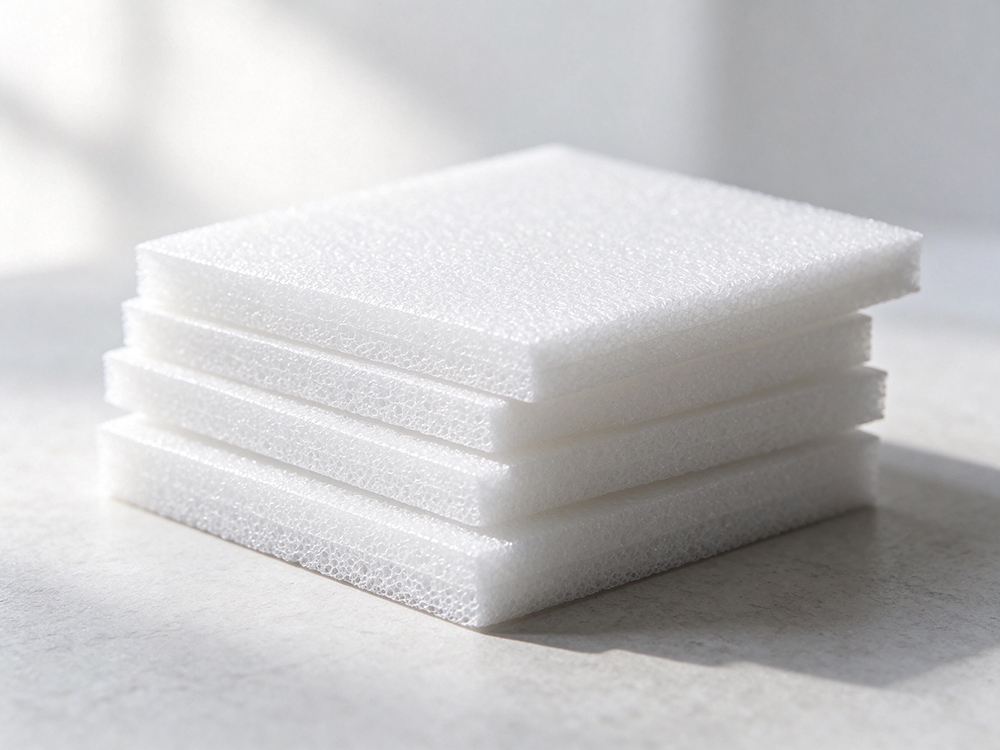
Plastic additives are materials added to a polymer. In werkelijkheid, they change how the resin behaves. Bijvoorbeeld, they may add flexibility or heat resistance. In aanvulling, they may improve processing. Daarom, they shape the final part.
Small Shares, Large Effects
They work at modest levels. In werkelijkheid, a small share can shift performance. Bijvoorbeeld, a lubricant may smooth flow at a low dose. In aanvulling, an antioxidant may extend life. Als resultaat, dosing decides the outcome.
Stage 1: Compounding
The first link builds the material. Onderstaand, wij leggen het uit.
Mixing Into a Compound
Compounders blend additives into resin. In werkelijkheid, even dispersion is the goal. Bijvoorbeeld, a poor mix creates weak spots. In aanvulling, it may cause surface defects. Daarom, mixing quality matters.
What This Stage Needs
Compounding needs stable, compatible additives. In werkelijkheid, the blend must survive heat. Bijvoorbeeld, a heat stabilizer protects the melt. In aanvulling, a lubricant eases the flow. Daarom, process support comes first.
Stage 2: Converting
The second link shapes the product. Onderstaand, wij leggen het uit.
Forming the Part
Converters turn compound into parts. In werkelijkheid, extrusion and molding demand steady flow. Bijvoorbeeld, a lubricant balances melt behavior. In aanvulling, an impact modifier adds toughness. Daarom, the part forms reliably.
What This Stage Needs
Converting needs process control. In werkelijkheid, temperature and shear stress the material. Bijvoorbeeld, a stabilizer limits degradation. In aanvulling, a processing aid supports output. Als resultaat, scrap drops.
Stage 3: The Brand Owner
The third link sets the promise. Onderstaand, wij leggen het uit.
Meeting Product Claims
Brand owners make public claims. In werkelijkheid, those claims must hold in use. Bijvoorbeeld, a durable part must resist aging. In aanvulling, a flexible part must not crack. Daarom, additives back the promise.
What This Stage Needs
Brand owners need consistency and proof. In werkelijkheid, batches must match the approved sample. Bijvoorbeeld, colorants must stay stable. In aanvulling, documentation must support compliance. Daarom, quality systems matter.
Stage 4: End Use and Service
The final link tests the product. Onderstaand, wij leggen het uit.
Service Conditions
Real use brings stress. In werkelijkheid, parts face heat, light, and load. Bijvoorbeeld, an outdoor part meets UV exposure. In aanvulling, a cold-climate part meets low temperatures. Daarom, service shapes the formulation.
What This Stage Needs
End use needs lasting performance. In werkelijkheid, additives slow aging. Bijvoorbeeld, antioxidants limit embrittlement. In aanvulling, stabilizers protect appearance. Als resultaat, the product keeps its function.
Why the Sum Matters
The pieces connect. Onderstaand, wij leggen het uit.
Performance Without Processing Is Useless
A material must first be workable. In werkelijkheid, a strong resin still needs stable flow. Bijvoorbeeld, a part cannot form if the melt degrades. In aanvulling, a good design fails with poor processing. Daarom, both sides matter.
Processing Without Performance Is Waste
A workable material must also last. In werkelijkheid, a part that ages fast loses value. Bijvoorbeeld, a cracked housing fails in service. In aanvulling, a faded surface harms perception. Als resultaat, durability completes the case.
FAQ About Plastic Additives
Materials added to a polymer. In werkelijkheid, they adjust performance and processing. Bijvoorbeeld, they add flexibility or stability. In aanvulling, they support forming. Daarom, they shape the product.
They make products workable and durable. In werkelijkheid, processing needs stable flow. Bijvoorbeeld, a lubricant eases forming. In aanvulling, an antioxidant extends life. Daarom, they serve both sides.
Compounders, converters, and brand owners. In werkelijkheid, each link has needs. Bijvoorbeeld, compounders focus on dispersion. In aanvulling, converters focus on flow. Daarom, the chain shares the benefit.
Ja, by application. In werkelijkheid, rules vary by market and use. Bijvoorbeeld, food-contact parts follow strict rules. In aanvulling, electrical goods meet safety standards. Daarom, confirm the framework.
Conclusie
Plastic additives matter because every stage of the chain depends on them. In dit artikel, we defined what they are and followed the path from compounding to end use. If you are compounding, converting, or specifying a material, this chain-by-chain view shows where each additive earns its place.
Nu, wij helpen u graag de volgende stap te zetten. If you have questions about plastic additives, their role in the chain, of uw eigen formulering, laat dan een bericht achter op ons websiteformulier. Ons team bij Cardlo zal uw behoeften beoordelen en zo snel mogelijk antwoorden. Wij helpen u graag bij het bouwen van hoogwaardige producten, succesvolle producten.