If you are evaluating a polyglycerol-based emulsifier, PGE E475 polyglycerol ester is a common option. Sebenarnya, it serves food and cosmetic formulations alike. This article explains what the product is. We also cover its grade differences, typical applications, and the points buyers should confirm. Pada penghujungnya, you will have a clear sourcing overview.

What Is PGE E475 Polyglycerol Ester?
Start with the identity. Di bawah, kami terangkan.
The Polyglycerol Backbone
PGE builds on a polyglycerol chain. Sebenarnya, several glycerol units link together to form the base. Contohnya, this extended chain carries multiple water-facing sites. Selain itu, the chain length varies by product version. Oleh itu, the backbone shapes the molecule’s character.
The Fatty Acid Attachment
Fatty acids connect to the polyglycerol core. Sebenarnya, mereka bergabung melalui ikatan ester. Contohnya, one or more acid chains may attach to the chain. Selain itu, the acid type varies across grades. Akibatnya, the fatty part provides the oil-facing side.
The E475 Additive Code
E475 is the regional food additive number. Sebenarnya, it refers to polyglycerol esters of fatty acids. Contohnya, regulators list the code on approved ingredient lists. Selain itu, the code helps identify the family in formulation documents. Oleh itu, buyers match the ingredient by name and code.
Grade Differences
Not all versions are identical. Di bawah, kami terangkan.
Polyglycerol Chain Length
The linked glycerol units define the grade. Sebenarnya, a shorter or longer chain shifts the balance. Contohnya, this affects how the molecule interacts with water. Selain itu, the chain level appears in the specification. Oleh itu, review this parameter before ordering.
Fatty Acid Type
The attached acid also varies. Sebenarnya, common chains include stearic, oleic, and palmitic types. Contohnya, each chain changes the properties slightly. Selain itu, the acid choice appears in the product name. Akibatnya, matching the acid to your system matters.
Balance Range
Grades span a range of emulsifying balances. Sebenarnya, some lean toward water-facing character. Contohnya, these suit oil-in-water blends. Selain itu, others lean more oil-facing. Oleh itu, match the balance to your product type.
Common Applications
The ester appears across sectors. Di bawah, kami terangkan.
Food Products
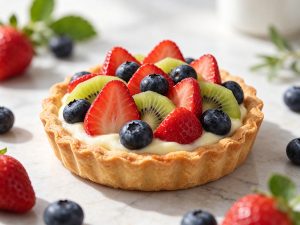
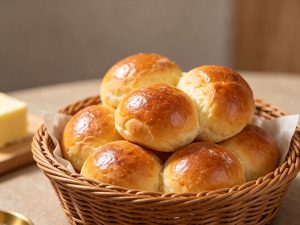
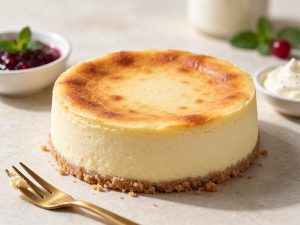
Food formulation is a main use. Sebenarnya, PGE esters stabilize emulsions and support texture. Contohnya, mereka muncul di kedai roti, desserts, and whipped-type products. Selain itu, their balancing role suits mixed fat-water systems. Oleh itu, food producers evaluate them first.
Cosmetic and Personal Care
Cosmetic systems use polyglycerol esters too. Sebenarnya, these esters appear in creams, losyen, and emulsified skin products. Contohnya, they help blend oil and water in personal care formulations. Selain itu, grades differ by cosmetic requirement. Akibatnya, personal care teams consider them for formulation.
Other Technical Uses
Some non-food systems employ the ester as well. Sebenarnya, ester surfactants serve technical blending roles. Contohnya, certain industrial products rely on stabilizing effects. Selain itu, grades differ by end use. Oleh itu, specify your application when sourcing.
What Buyers Should Check
A short checklist protects the purchase. Di bawah, kami terangkan.
Grade Fit for Your System
Match the grade to your product first. Sebenarnya, chain length, acid type, and balance all matter. Contohnya, review the target texture and processing step. Selain itu, run a small test batch. Oleh itu, the fit gets confirmed in practice.
Documentation and Compliance
Reliable suppliers provide technical files. Sebenarnya, a specification sheet lists composition and parameters. Contohnya, it covers balance, appearance, and usage guidance. Selain itu, compliance papers confirm the applicable status. Akibatnya, review the files before ordering.
Technical Support and Consistency
Support matters for long-term supply. Sebenarnya, a good supplier answers selection questions. Contohnya, they advise on grade matching and trial steps. Selain itu, they address batch consistency concerns. Oleh itu, ask about support early in the process.
FAQ About PGE E475 Polyglycerol Ester
Polyglycerol ester, built on a linked glycerol chain. Sebenarnya, fatty acids attach to that backbone through ester bonds. Contohnya, the molecule works at the oil-water boundary. Selain itu, it carries the E475 code. Oleh itu, name and code refer to the same family.
E475 denotes polyglycerol esters of fatty acids. Sebenarnya, they emulsify fat and water blends. Contohnya, mereka muncul di kedai roti, desserts, and creams. Selain itu, they support texture and stability. Oleh itu, they serve processed formulations.
Baked goods, desserts, whipped products, and cosmetic emulsions. Sebenarnya, it works where oil and water meet. Contohnya, food producers use it for blend stability. Selain itu, creams and lotions may use similar esters. Oleh itu, these are the common applications.
Check grade fit, documentation, and technical support. Sebenarnya, review the specification sheet first. Contohnya, confirm chain length, acid type, and compliance files. Selain itu, ask about trial guidance and consistency. Oleh itu, a supplier who answers these points is worth considering.
Kesimpulan
PGE E475 polyglycerol ester is a polyglycerol-based emulsifier, offered in grades that vary by chain length, acid type, and balance. Dalam artikel ini, we covered its structure, grade options, common applications, and the checklist buyers follow before sourcing. If you are developing a food or cosmetic product, a clear grade match and complete documentation protect your decision.
Sekarang, kami ingin membantu anda mengambil langkah seterusnya. If you have questions about PGE E475 polyglycerol ester, available grades, atau formulasi anda sendiri, sila tinggalkan mesej pada borang laman web kami. Pasukan kami di Cardlo akan menyemak keperluan anda dan membalas secepat mungkin. Kami berharap dapat membantu anda membina kualiti tinggi, produk yang berjaya.