This question comes up often among food buyers and product developers. In fact, the answer is not a simple yes or no. In this article, we explain the halal status of emulsifier E472e. We start with what the additive is. In addition, we explain why its source matters so much. We then share how to verify status with documents. By the end, you will know exactly what to ask your supplier.

What E472e Is
Start with the identity of the additive. Below, we explain.
A Common Bakery Emulsifier
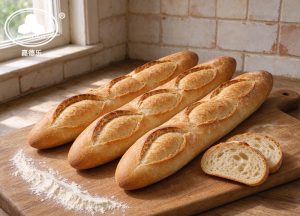
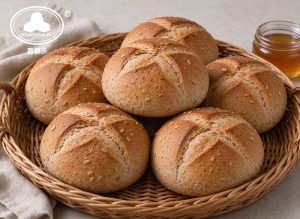
E472e is a food emulsifier. In fact, it belongs to the E472 family. For example, it strengthens dough in bread. In addition, it improves crumb texture. Therefore, bakers use it widely.
Its Chemical Building Blocks
The additive has several building blocks. In fact, it combines glycerol, fatty acids, and tartaric acid. For example, the glycerol and fatty acid parts carry a fat origin. In addition, the tartaric acid part comes from another source. Therefore, more than one input matters.
Why the Answer Depends on the Source
The E number alone does not decide it. Below, we explain.
The Glycerol Backbone
Glycerol can come from different sources. In fact, it may be plant-based or animal-based. For example, vegetable oils yield plant glycerol. In addition, animal fats yield animal glycerol. Therefore, the backbone shapes the status.
The Fatty Acid Chain
Fatty acids also vary. In fact, they may come from vegetable oils. For example, palm or sunflower oils provide plant fatty acids. In addition, animal fats provide another route. As a result, the chain matters too.
Why the E Number Cannot Tell You
A code describes a function, not a source. In fact, two batches of E472e may differ in origin. For example, one may be fully plant-based. In addition, another may use animal-derived inputs. Therefore, the name alone gives no answer.
Three Common Scenarios
Most products fall into one of these cases. Below, we explain.
Fully Plant-Based Sources
Some E472e is plant-based throughout. In fact, both glycerol and fatty acids come from vegetables. For example, this route suits halal-sensitive markets. In addition, it often carries clear documentation. Therefore, this case is straightforward.
Animal-Derived Sources
Other batches may use animal inputs. In fact, animal fats can supply the glycerol or acids. For example, the status then depends on the animal and the slaughter method. In addition, certification becomes essential. Therefore, this case needs careful review.
Mixed or Unclear Supply Chains
Some supply chains combine sources. In fact, a producer may switch inputs by batch. For example, one lot may differ from the next. In addition, paperwork may not state the origin clearly. As a result, this case requires verification.
How to Verify Halal Status
Documents give the clearest answer. Below, we explain the steps.
Ask for a Halal Certificate
Start with the certificate. In fact, a valid halal certificate covers the product and the plant. For example, it should name the specific item. In addition, it should come from a recognized certifying body. Therefore, the certificate is the first check.
Confirm the Source Declaration
Next, ask about the raw materials. In fact, the supplier should state the origin. For example, request a plant-based declaration in writing. In addition, confirm that no animal fat is used. As a result, the source becomes clear.
Check the Batch and Validity
Then, check the details. In fact, certificates have scope and expiry dates. For example, confirm the certificate covers your grade. In addition, check that it stays valid. Therefore, the paperwork must match your order.
Review Your Own Market Rules
Finally, review your market. In fact, different markets apply different standards. For example, some certifying bodies follow stricter rules. In addition, importers may require specific certificates. Therefore, match the proof to your destination.
FAQ About Emulsifier E472e and Halal Status
It depends on the source and certification. In fact, the E number alone cannot decide. For example, plant-based E472e can carry halal certification. In addition, animal-derived lots need careful review. Therefore, ask for documents.
Glycerol, fatty acids, and tartaric acid. In fact, the glycerol and acids may come from plants or animals. For example, vegetable oils supply plant inputs. In addition, animal fats supply another route. Therefore, origin varies.
Request a halal certificate and source declaration. In fact, both should match your product. For example, check the certificate scope. In addition, confirm the raw material origin in writing. Therefore, documents give the answer.
Check the scope and validity. In fact, certificates name specific products and plants. For example, confirm your grade is included. In addition, check the expiry date. Therefore, review the details each order.
Conclusion
The halal status of emulsifier E472e depends on its source and its certification, not on the code itself. In this article, we explained the additive, why its building blocks matter, the three common scenarios, and how to verify with documents. If you are sourcing this emulsifier for a halal-sensitive market, this checklist helps you confirm status before you order.
Now, we would like to help you take the next step. If you have questions about emulsifier E472e, halal documentation, or your own formulation, please leave a message on our website form. Our team at Cardlo will review your needs and reply as soon as possible. We look forward to helping you build high-quality, successful products.