Plastic items usually carry a small number. De hecho, that number tells you the resin family. En este artículo, we walk through the seven types of plastics. We cover each code in turn. Además, we explain what the number does and does not mean. Al final, you will read packaging with confidence.
How the Code System Works
Start with the framework. Abajo, te explicamos.
Numbers 1 to 7
The system uses seven codes. De hecho, each number points to a resin family. Por ejemplo, code 1 marks PET. Además, code 7 covers everything else. Por lo tanto, the number identifies the material.
An Identification Tool
The code is for sorting. De hecho, it supports recycling streams. Por ejemplo, facilities sort by number. Además, it helps buyers identify resin. Por lo tanto, it is an identification aid.
Not a Safety Rating
The code says nothing about safety. De hecho, it does not rate food contact. Por ejemplo, a compliant product needs a proper grade. Además, the code alone tells you nothing about use limits. Por lo tanto, check compliance separately.
Code 1: PET
This resin is clear and strong. Abajo, te explicamos.
Properties
PET offers clarity and strength. De hecho, it resists gases well. Por ejemplo, it suits carbonated drinks. Además, it is lightweight. Por lo tanto, it serves many bottles.
Typical Uses
PET appears in bottles and trays. De hecho, beverage bottles are its main use. Por ejemplo, water and soft drink bottles use it. Además, some food trays rely on it. Como resultado, it is familiar to shoppers.
Code 2: HDPE
This resin is tough and opaque. Abajo, te explicamos.
Properties
HDPE is strong and moisture-resistant. De hecho, it handles impact well. Por ejemplo, it suits rigid containers. Además, it resists many chemicals. Por lo tanto, it serves durable items.
Typical Uses
HDPE appears in bottles and pipes. De hecho, milk and detergent bottles use it. Por ejemplo, it also serves crates. Además, it suits industrial containers. Como resultado, it covers many sectors.
Code 3: PVC
This resin is versatile but specific. Abajo, te explicamos.
Properties
PVC offers rigidity or flexibility. De hecho, plasticizers can soften it. Por ejemplo, rigid PVC serves pipes. Además, flexible PVC serves films. Por lo tanto, one resin covers two profiles.
Typical Uses
PVC appears in pipes and profiles. De hecho, construction uses it widely. Por ejemplo, window frames and pipes rely on it. Además, some films and coatings use it. Como resultado, it suits building applications.
Code 4: LDPE
This resin is soft and flexible. Abajo, te explicamos.
Properties
LDPE is flexible and light. De hecho, it forms thin films easily. Por ejemplo, it seals well. Además, it resists moisture. Por lo tanto, it serves packaging.
Typical Uses
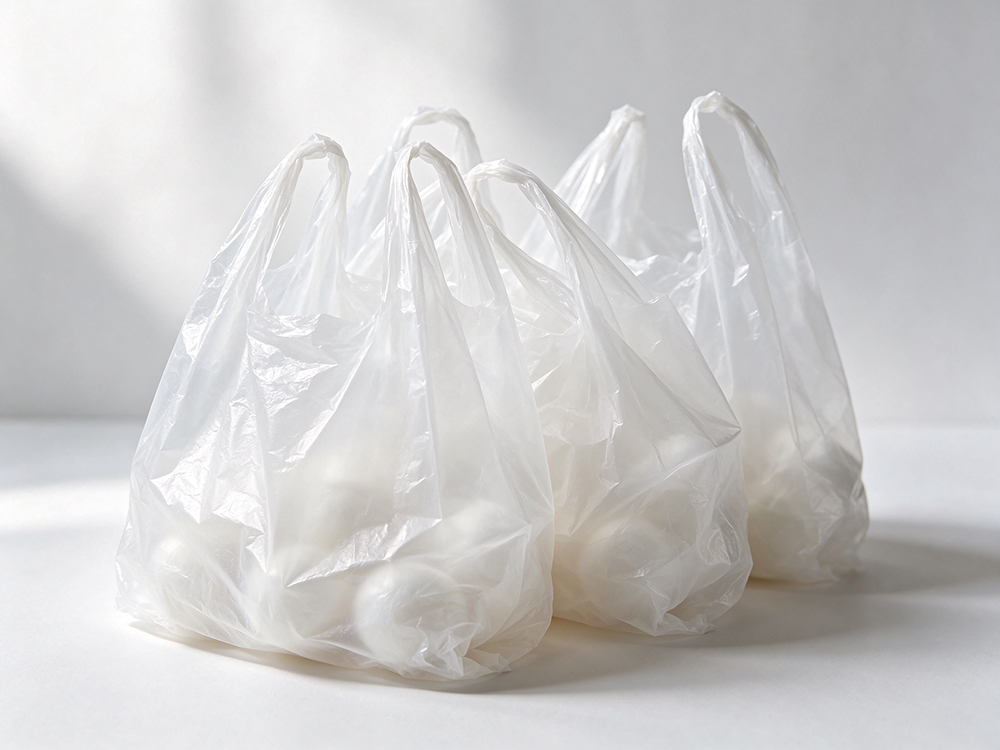
LDPE appears in bags and films. De hecho, carrier bags and wraps use it. Por ejemplo, it suits food films in some grades. Además, it serves squeeze bottles. Como resultado, it covers flexible packaging.
Code 5: PP
This resin is heat-resistant and light. Abajo, te explicamos.
Properties
PP handles heat well. De hecho, it suits hot-fill and microwave uses in suitable grades. Por ejemplo, it resists many oils. Además, it stays light. Por lo tanto, it serves containers.
Typical Uses
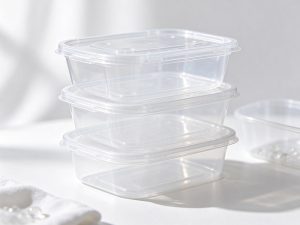
PP appears in containers and caps. De hecho, food containers often use it. Por ejemplo, it serves microwave-safe boxes in the right grade. Además, it suits automotive parts. Como resultado, it covers many sectors.
Code 6: PS
This resin is rigid or foamed. Abajo, te explicamos.
Properties
PS offers clarity in rigid form. De hecho, foamed PS is light and insulating. Por ejemplo, it suits disposable items. Además, it has limited heat resistance. Por lo tanto, its uses stay specific.
Typical Uses
PS appears in trays and packaging. De hecho, foamed PS serves insulation. Por ejemplo, it protects fragile goods. Además, some rigid cups use it. Como resultado, it fits protective packaging.
Code 7: Other
This code covers remaining resins. Abajo, te explicamos.
What It Includes
Code 7 is a broad group. De hecho, it covers resins outside 1 to 6. Por ejemplo, it may include PC, ABS, or blends. Además, some multilayer materials fall here. Por lo tanto, the code needs more detail.
Why More Detail Matters
A single code is not enough. De hecho, code 7 covers many materials. Por ejemplo, each resin has its own limits. Además, buyers should ask for the specific resin. Por lo tanto, request the technical data.
Reading the Number in Practice
A few habits help. Abajo, te explicamos.
Use It for Identification
The number identifies the resin. De hecho, it supports sorting and selection. Por ejemplo, it tells you the family quickly. Además, it guides recycling. Por lo tanto, start with the code.
Then Check Compliance
Compliance needs its own check. De hecho, food contact requires a suitable grade. Por ejemplo, ask for a declaration of compliance. Además, confirm the use conditions. Como resultado, safety rests on documents.
FAQ About the Seven Types of Plastic
PET, HDPE, PVC, LDPE, PP, PS, and other. De hecho, codes 1 to 7 cover them. Por ejemplo, code 1 is PET. Además, code 7 is a broad group. Por lo tanto, the system is simple.
No. De hecho, the code identifies the resin only. Por ejemplo, it does not rate food contact. Además, compliance depends on the grade. Por lo tanto, check separately.
PET, HDPE, and PP are very common. De hecho, they cover bottles and containers. Por ejemplo, PET serves drinks. Además, PP serves food boxes. Por lo tanto, they lead packaging.
Because it covers everything else. De hecho, resins outside 1 to 6 fall here. Por ejemplo, blends and specialty resins appear. Además, multilayer materials may too. Por lo tanto, ask for specifics.
Conclusión
The seven plastic codes give you a fast way to identify a resin family. En este artículo, we covered each code, its properties, and its typical uses, and we explained what the number does not tell you. If you are specifying materials or reading packaging, this overview helps you identify and verify with confidence.
Ahora, Nos gustaría ayudarte a dar el siguiente paso.. If you have questions about plastic types, their applications, or your own specification, por favor deje un mensaje en el formulario de nuestro sitio web. Nuestro equipo en Cardlo revisará sus necesidades y responderá lo antes posible.. Esperamos poder ayudarle a construir productos de alta calidad., productos exitosos.