Halal compliance is an important consideration for many food products. A common question is whether mono- and diglycerides of fatty acids are halal. The honest answer is that it depends. In fact, the halal status rests on two main factors: the source of the fat and the certification. In this article, we explain both in detail. By the end, you will know how to verify a product with confidence.
The Short Answer
Mono- and diglycerides of fatty acids are not halal by default, nor are they always non-halal. In fact, the answer depends on where the fatty acids come from. For example, a product from vegetable sources may be halal, while one from animal sources may not. In addition, a valid halal certification confirms the status. Therefore, you cannot judge by the name alone.
What Are Mono- and Diglycerides of Fatty Acids?
To understand the answer, it helps to know the ingredient. Below, we explain its role and origin.
A Common Food Emulsifier
Mono- and diglycerides of fatty acids are a common food emulsifier. In fact, they help oil and water mix in many products. For example, you will find them in baked goods, margarines, and some sauces. As a result, they appear in a wide range of foods. Therefore, their halal status matters to many consumers.
Where They Come From
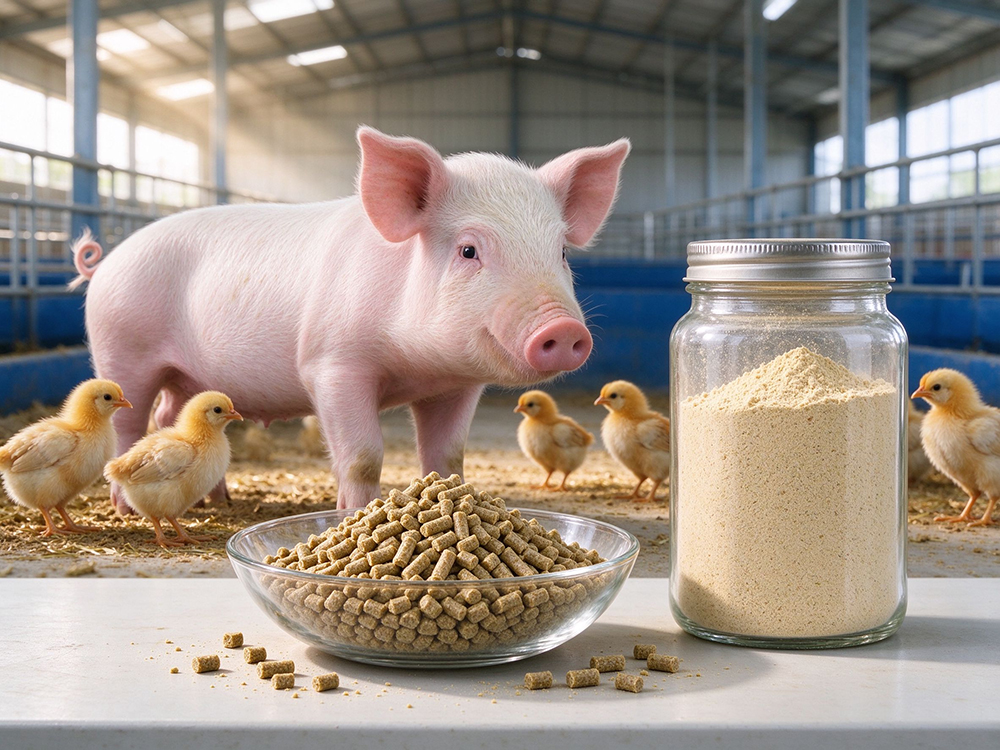
The fatty acids can come from different sources. In general, vegetable oils provide one option. However, animal fats may also be used. For instance, the exact origin varies by manufacturer and product. Therefore, the source is the key question.
What Determines Halal Status
Two main factors decide the halal status. Below, we look at each one.
The Source of the Fatty Acids
The fat source matters most. For example, fatty acids from halal-approved plants are generally acceptable. In contrast, fatty acids from certain animals may not be. In addition, the way the animal is processed can affect the ruling. As a result, the source sets the direction.
Halal Certification
Certification provides clear proof. In fact, a recognized halal body can confirm the status. For example, a certified product carries a documented certificate. In addition, the certificate states the source and the process. Therefore, certification removes much of the guesswork.
How to Check Whether an Emulsifier Is Halal
You can verify a product with a few clear steps. Below, we share the practical path.
Read the Label and Documentation
First, check the label for any halal mark. In general, a clear symbol is a good sign. Nächste, ask for the product documentation. For instance, a specification sheet may state the source. As a result, you can confirm the details in writing.
Ask the Supplier
When in doubt, ask the supplier directly. In fact, a reliable supplier provides clear answers. For example, they can confirm the source of the fatty acids. In addition, they can share the halal certificate. Therefore, a direct question often resolves the issue.
FAQ About Mono- and Diglycerides of Fatty Acids
Check for halal certification. In fact, a recognized certificate confirms the source and process. For example, look for a clear halal mark on the product. Therefore, documentation is your best guide.
Some sources may use animal fats, and this varies by manufacturer. In general, you should verify the source with the supplier. For instance, ask for the ingredient documentation. As a result, you can confirm the origin.
It depends on the source. For example, a vegetable-derived product may be halal. In contrast, an animal-derived one may not be. In addition, halal certification confirms the status.
Usually, but not automatically. In fact, certification still matters. For example, a plant-derived product needs a valid halal certificate. Therefore, do not assume by source alone.
Conclusion
Sind mono- und Diglyceride von Fettsäuren Halal? The answer depends on the source and the certification. In this article, we explained that a vegetable-derived product may be halal, while an animal-derived one may not be. We also shared how to verify a product with labels, documentation, and supplier answers. If you are sourcing an emulsifier for a halal product, these steps help you decide with confidence.
Now, we would like to help you take the next step. If you have questions about the source of an emulsifier, halal certification, or your own formulation, please leave a message on our website form. Our team at Cardlo will review your needs and reply as soon as possible. We look forward to helping you source the right, compliant option.