Eggs appear in countless recipes, and many cooks have noticed how well they bring ingredients together. A common question is: are eggs an emulsifier? The short answer is yes, in a practical sense. In fact, egg yolk contains natural compounds that bind oil and water. In this article, we explain how eggs act as an emulsifier and where this power comes from. By the end, you will understand the science behind a simple egg.

The Short Answer
Eggs, especially egg yolk, act as a natural emulsifier. In fact, egg yolk contains lecithin, a compound that helps oil and water mix. For example, mayonnaise relies on this effect almost entirely. Therefore, you can say that eggs are a natural emulsifying ingredient. However, the egg white plays a smaller role. As a result, most of the power sits in the yolk.
Why Egg Yolk Works So Well
The secret lies in the yolk’s chemistry. Below, we look at what makes it effective.
Lecithin in the Yolk
Egg yolk is rich in lecithin. In fact, lecithin has both water-loving and oil-loving parts. As a result, it can bridge the two liquids and hold them together. For example, when you slowly add oil to yolk, it creates a smooth Emulsion. Therefore, lecithin is the main engine behind the effect.
Proteins That Lend a Hand
The yolk also contains proteins that help. In fact, these proteins surround the oil droplets and keep them stable. In addition, they add body and richness to the mixture. For instance, they help a sauce feel thick and creamy. Consequently, the yolk works on two levels at once.
Eggs as an Emulsifier in Cooking
Eggs act as an emulsifier in many familiar dishes. Below, we describe a few common examples.
Mayonnaise
Mayonnaise is the clearest example. In fact, it is a stable mix of oil and egg yolk. For example, the yolk binds the oil into a thick, creamy sauce. As a result, mayonnaise shows the emulsifying power of eggs perfectly.
Sauces and Dressings
Eggs also build many sauces and dressings. For instance, hollandaise relies on egg yolk to hold butter and liquid together. In addition, creamy dressings use the same effect. Therefore, eggs are a backbone of classic cooking.
Baking
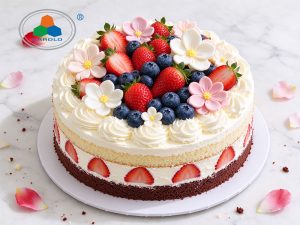
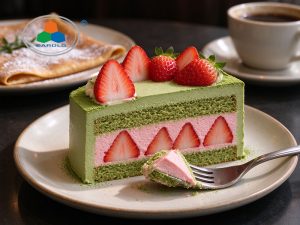
In baking, eggs do more than add moisture. In fact, they help emulsify the fat and liquid in a batter. For example, this keeps cakes and pastries smooth and even. In addition, it improves the final texture. As a result, eggs earn their place in many recipes.
When Eggs May Not Be Enough
Eggs are powerful, but they have limits. Below, we explain when you might need more help.
Long Shelf Life
For long-life products, egg-based emulsions can break down. In fact, they are best for fresh, short-life dishes. For example, homemade mayonnaise keeps for only a few days. In such cases, a purpose-made emulsifier provides more stability. Therefore, the choice depends on your needs.
Allergy Concerns
Some people cannot eat eggs. In fact, egg allergy is a common concern. For example, a person with this allergy must avoid egg-based products. Therefore, food makers often use plant-based emulsifiers as an alternative.
FAQ About Eggs and Emulsifiers
Q:Is egg yolk an emulsifier?
A:Yes. Egg yolk contains lecithin, which binds oil and water. In fact, it is one of the most effective natural emulsifiers. Therefore, it works well in many recipes.
Q:Why do eggs hold oil and water together?
A:Because egg yolk contains lecithin. In fact, this compound has parts that attract both oil and water. As a result, it can keep the two liquids mixed.
Q:Are eggs the best natural emulsifier?
A:Egg yolk is very effective. However, “best” depends on the recipe. In general, it suits fresh dishes well. In contrast, other options may fit long-life products better.
Q:Can I replace egg emulsifiers with something else?
A:Yes. For example, lecithin from soy or sunflower works as a plant-based option. In addition, some gums help too. Therefore, you have several alternatives to choose from.
Conclusion
Sind Eier ein Emulgator?? Yes, in a practical sense. In this article, we explained that egg yolk, rich in lecithin, acts as a natural emulsifier in mayonnaise, sauces, and baking. We also noted when eggs may not be enough and what alternatives exist. If you are developing a recipe or a product, understanding this role helps you choose the right approach.
Now, we would like to help you take the next step. If you have questions about egg-based formulas, plant-based emulsifiers, or your own formulation, please leave a message on our website form. Our team at Cardlo will review your needs and reply as soon as possible. We look forward to helping you build a stable, delicious, and successful product.