This question usually expects a resin name as the answer. Trouens, the better answer starts with compliance. In hierdie artikel, we explain which type of plastic is safe for food. We begin with the principle that decides it. Daarby, we review common resins and use conditions. Teen die einde, you will know exactly what to check.
The Real Principle: Grade, Not Just Name
The deciding factor is compliance. Hieronder, we explain.
Food-Contact Grade Matters
A resin must be food-contact grade. Trouens, the grade defines what may touch food. Byvoorbeeld, the same polymer can exist in industrial and food grades. Daarby, only the food grade follows food rules. Daarom, the grade comes first.
Authorized Substances and Limits
Rules cover what may be present. Trouens, regulations list authorized substances. Byvoorbeeld, they set migration limits. Daarby, producers must stay within them. As gevolg hiervan, compliance decides safety.
Common Resins in Food Contact
Several families serve food applications. Hieronder, we explain.
Polypropylene (PP)
PP is widely used for food containers. Trouens, it handles heat well. Byvoorbeeld, it suits microwave containers. Daarby, it resists many oils. Daarom, it fits many uses.
Polyethylene (HDPE and LDPE)
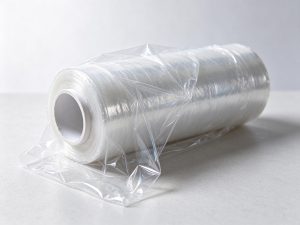
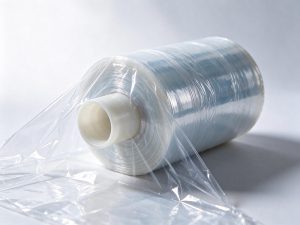
Polyethylene serves bottles and films. Trouens, HDPE suits rigid bottles. Byvoorbeeld, it works for milk and water. Daarby, LDPE suits flexible films. As gevolg hiervan, both cover common needs.
PET
PET serves clear bottles and trays. Trouens, it offers clarity and strength. Byvoorbeeld, it suits beverage bottles. Daarby, it works for food trays. Daarom, it is a familiar option.
Polystyrene (PS)
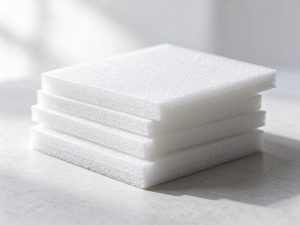
PS serves rigid and foamed items. Trouens, it offers clarity in rigid form. Byvoorbeeld, it suits some disposable items. Daarby, foamed PS serves insulation uses. As gevolg hiervan, it fits specific cases.
Polycarbonate (PC) and Its Limits
PC is strong and clear. Trouens, it suits durable, reusable items. Egter, some regions restrict certain PC uses for sensitive groups. Byvoorbeeld, infant products face tighter rules in some markets. Daarby, always confirm local requirements. Daarom, check before you specify it.
Use Conditions That Change the Answer
The same item can behave differently. Hieronder, we explain.
Temperature
Heat changes behavior. Trouens, high heat can raise migration. Byvoorbeeld, a container meant for cold storage may not suit boiling liquid. Daarby, microwave use needs a suitable grade. Daarom, match the item to the temperature.
Fat and Acid Content
Food type matters. Trouens, fatty and acidic foods interact more with plastics. Byvoorbeeld, oil-rich foods can accelerate migration. Daarby, acidic sauces can do the same. As gevolg hiervan, the food type shapes the choice.
Repeated Use and Wear
Reuse adds stress. Trouens, wear and scratches raise risk. Byvoorbeeld, a worn container may release more. Daarby, repeated heating adds strain. Daarom, follow the intended use.
How to Verify Food Safety
Verification rests on documents and marks. Hieronder, we explain.
Check Declarations of Compliance
Suppliers provide declarations. Trouens, a declaration states the intended use. Byvoorbeeld, it lists the food types and conditions. Daarby, it references the applicable rules. Daarom, ask for it.
Look for Migration Testing
Testing supports the claim. Trouens, migration tests measure release. Byvoorbeeld, they simulate fatty or acidic foods. Daarby, results confirm compliance. As gevolg hiervan, testing backs the declaration.
Confirm Traceability
Traceability protects the chain. Trouens, each batch should be traceable. Byvoorbeeld, records link material to supplier. Daarby, they support recalls if needed. Daarom, keep the paperwork.
Practical Selection Tips
A few habits reduce risk. Hieronder, we explain.
Match Use to Grade
Choose by intended use. Trouens, a food-contact grade fits food. Byvoorbeeld, an industrial grade does not. Daarby, a hot-fill use needs a heat-stable grade. Daarom, define the use first.
Avoid Unverified Sources
Unverified material carries risk. Trouens, unknown origin means unknown compliance. Byvoorbeeld, a recycled stream without documentation is unclear. Daarby, mixed materials complicate checks. Daarom, buy from documented sources.
FAQ About Food-Safe Plastic
No single resin wins. Trouens, food-contact grade and compliance decide. Byvoorbeeld, PP and PET suit many uses. Daarby, each has limits. Daarom, match the grade to the use.
No. Trouens, only food-contact grades are suitable. Byvoorbeeld, industrial containers do not qualify. Daarby, use conditions matter. Daarom, check the declaration.
It depends on the grade. Trouens, some grades suit microwave use. Byvoorbeeld, a heat-stable grade is suitable. Daarby, others are not. Daarom, follow the label.
Ask for a declaration of compliance. Trouens, it states the intended use. Byvoorbeeld, it lists food types and conditions. Daarby, migration testing supports it. Daarom, documents give the answer.
Gevolgtrekking
The safe type of plastic for food is not a single name but a compliant grade used correctly. In hierdie artikel, we explained the compliance principle, reviewed common resins, covered use conditions, and shared verification steps. If you are specifying packaging or sourcing materials, this checklist helps you decide with confidence.
Nou, ons wil jou graag help om die volgende stap te neem. If you have questions about food-contact plastics, compliance documentation, or your own application, los asseblief 'n boodskap op ons webwerfvorm. Ons span by Cardlo sal jou behoeftes hersien en so gou moontlik antwoord. Ons sien uit daarna om jou te help bou van hoë gehalte, suksesvolle produkte.