If you are evaluating a lactylate emulsifier for bakery or mixed food systems, SSL E481 sodium stearoyl lactylate is a standard option. In fact, it serves both dough conditioning and emulsifying roles. This article explains what the ingredient is. We also cover its function, typical applications, and the points buyers should confirm. By the end, you will have a clear sourcing overview.
What Is SSL E481?
Start with the identity. Below, we explain.
The Lactylate Base
SSL builds from stearic acid and lactic acid. In fact, the two link through lactyl groups before forming the final salt. For example, the stearoyl chain provides an oil-facing side. In addition, the lactylate portion carries a water-facing character. Therefore, the molecule bridges fat and water in the system.
The Sodium Salt
SSL is the sodium salt of stearoyl lactylate. In fact, the sodium ion is what sets it apart from related lactylates. For example, this salt choice affects how the ingredient disperses and behaves. In addition, the mineral source appears on the specification. As a result, buyers check the salt type in the document.
The E481 Additive Code
E481 is the regional food additive number. In fact, it refers to sodium stearoyl lactylate. For example, regulators list the code on approved bakery ingredient lists. In addition, the code helps identify the family in formulation documents. Therefore, buyers match the ingredient by name and code.
Its Roles in Food
The ingredient covers two main functions. Below, we explain.
Dough Conditioning
SSL interacts with the dough structure during mixing. In fact, it supports the handling properties of the gluten network. For example, this helps the dough hold gas during proofing. In addition, it can improve machine handling on production lines. Therefore, bakers evaluate it for dough stability.
Emulsification in Mixed Systems
Beyond bakery, SSL acts as an emulsifier. In fact, it helps blend fat and water in creamy products. For example, it supports a smooth, uniform texture in mixed systems. In addition, its balance suits oil-in-water-type blends. As a result, it appears in several food categories.
Crumb, Volume, and Uniformity
In baked goods, it contributes to the finished crumb. In fact, a stronger dough can expand more evenly in the oven. For example, this leads to a fine crumb and consistent loaf shape. In addition, the result depends on flour, recipe, and baking conditions. Therefore, treat it as one part of the formulation.
Common Applications
The ingredient covers several product categories. Below, we explain.
Bread and Rolls
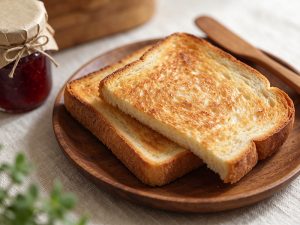
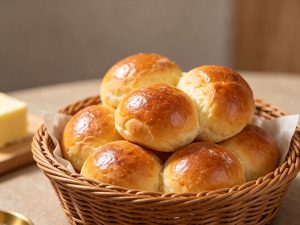
Plain bread and rolls are the core use. In fact, lactylate conditioners appear in sandwich bread and similar loaves. For example, they support crumb softness and loaf shape. In addition, production bakeries use them for batch consistency. Therefore, bread is the first category to check.
Whipped and Creamy Products
Some whipped and creamy products use SSL too. In fact, its emulsifying role suits fat-water blends. For example, it may appear in cream-type toppings and fillings. In addition, the fit depends on the full recipe. As a result, test it in your own creamy system.
Crackers and Savory Baked Snacks
Crackers and certain baked snacks may employ it as well. In fact, conditioners support dough handling in sheeted products. For example, they can contribute to even processing and texture. In addition, the salt and fat levels in the recipe affect the fit. Therefore, evaluate it for savory doughs too.
SSL vs. Related Lactylates
One clarification helps selection. Below, we explain.
The Salt Difference
SSL uses sodium, while related lactylates use other cations. In fact, the salt choice changes dispersion and behavior slightly. For example, CSL uses a calcium salt instead. In addition, the intended product guides which one to pick. Therefore, compare the details on each spec sheet.
Matching the Choice to Your System
No single lactylate fits every recipe. In fact, your dough type and target texture lead the choice. For example, review how the ingredient disperses in your process. In addition, run side-by-side trial batches. As a result, the comparison confirms the better fit.
What Buyers Should Check
A short checklist protects the purchase. Below, we explain.
Grade and Purity Parameters
Review the specification first. In fact, the spec sheet lists composition and quality parameters. For example, it may cover appearance, purity, and acid or salt values. In addition, match the grade to your food need. Therefore, compare documents across suppliers.
Usage Guidance and Trials
Ask how the ingredient fits your recipe. In fact, the addition level follows the product type and process. For example, start with supplier-recommended trial ranges. In addition, adjust in small test batches. Therefore, never rely on a fixed figure across recipes.
Documentation and Compliance
Food use requires clear supporting files. In fact, request the specification and compliance papers. For example, confirm the food-grade status and regional applicability. In addition, check storage conditions and shelf life. Therefore, base the decision on documented facts.
FAQ About SSL E481 Sodium Stearoyl Lactylate
Sodium stearoyl lactylate, a lactylate emulsifier and dough conditioner. In fact, it pairs stearic and lactic acid in a sodium salt. For example, it carries the E481 additive code. In addition, it serves bakery and mixed food systems. Therefore, name and code refer to the same ingredient.
It conditions dough and emulsifies fat-water blends. In fact, it supports handling and smooth texture. For example, bread, creams, and snacks may use it. In addition, the result depends on the full recipe. Therefore, confirm the effect through trial batches.
SSL uses a sodium salt; CSL uses a calcium salt. In fact, the cation changes dispersion and behavior slightly. For example, the specification records the salt type. In addition, the product system guides the pick. Therefore, compare the two on the spec sheet.
Grade parameters, usage guidance, and compliance files. In fact, review the specification sheet first. For example, ask about trial ranges and storage conditions. In addition, confirm the applicable food-grade status. Therefore, these points guide your choice.
Conclusion
SSL E481 sodium stearoyl lactylate is a sodium-based lactylate emulsifier and dough conditioner, used in bread, creamy blends, and savory baked snacks. In this article, we covered its structure, roles, applications, how it compares to related lactylates, and the checklist buyers follow before sourcing. If you are developing food products, a clear grade match and trial-based usage protect your formulation.
Now, we would like to help you take the next step. If you have questions about SSL E481 sodium stearoyl lactylate, available grades, or your own formulation, please leave a message on our website form. Our team at Cardlo will review your needs and reply as soon as possible. We look forward to helping you build high-quality, successful products.