Emulsifiers appear in far more foods than most people realize. Some products contain only a small amount, while others rely on them heavily to stay smooth and stable. In this article, we look at which foods contain the most food emulsifiers. We also explain why these levels vary and how to check them on a label. Whether you are a developer or a shopper, this guide will help you understand what is really inside common foods.

What Makes a Food High in Emulsifiers?
A food needs more emulsifiers when it combines oil and water. In general, the more unstable the mixture, the higher the required level. For example, a product that must stay creamy for months will likely need more help. In contrast, a dry product may need very little or none. As a result, the amount depends mainly on the recipe and the desired texture.
When Oil and Water Need to Mix
Emulsifiers do their best work in oil-and-water systems. Salad dressings, sauces, and spreads all fit this pattern. In particular, these products need a stable blend to avoid separating. Therefore, they often contain a higher level of emulsifiers than other foods.
Foods That Commonly Contain the Most Emulsifiers
Certain categories of food use emulsifiers most often. Below, we describe the ones that typically carry the highest levels. Keep in mind that amounts vary by brand and recipe.
Salad Dressings and Sauces
Salad dressings and creamy sauces top the list. They hold oil and water together for a long time. For example, a bottled dressing may need a consistent amount to stay smooth. In addition, some sauces rely on emulsifiers to keep their texture stable during storage.
Ice Cream and Frozen Desserts
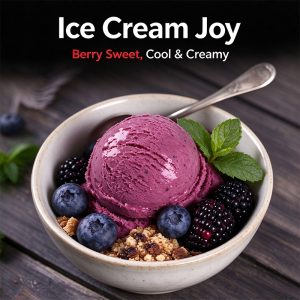
Ice cream is another common example. It contains water, fat, and air, which form a delicate balance. Specifically, emulsifiers help keep the mix smooth and prevent ice crystals. As a result, frozen desserts often include a notable amount.
Bread and Baked Goods
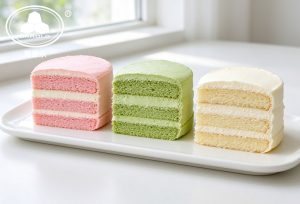
Many baked goods use emulsifiers to improve softness. Breads, cakes, and pastries benefit from a tender crumb. For instance, emulsifiers help the dough hold air and stay fresh longer. Consequently, these products commonly list them in their ingredients.
Mayonnaise and Condiments
Mayonnaise is a classic oil-and-water product. In fact, it depends heavily on emulsifiers to keep its thick, creamy form. Other condiments, such as spreads and sandwich sauces, work in a similar way. Therefore, this group tends to be high on the list.
Plant-Based Drinks and Dairy Alternatives
Plant-based drinks often need emulsifiers to feel creamy. Almond, oat, and soy products rely on a stable texture. In particular, the fat in these drinks must stay evenly dispersed. Hence, they frequently contain a meaningful level of emulsifiers.
Why Emulsifier Levels Vary Between Products
Emulsifier levels are not the same across all foods. Several factors influence the amount. First, the recipe determines how much oil and water must mix. Second, the target shelf life plays a big role. For example, a product stored for months needs more support than one sold quickly. In addition, processing methods and storage temperature also matter. Therefore, no single number applies to every product.
How to Check Emulsifier Content on a Label
You can check emulsifier content by reading the ingredient list. First, look for the terms we discussed earlier, such as emulsifying agents or stabilizers. Next, note where they appear on the list, because ingredients are usually shown in order of amount. In general, an item listed early appears in larger quantity. As a result, you can estimate the relative level at a glance.
FAQ About Food Emulsifiers
Q:Which food group uses emulsifiers the most?
A:Sauces, dressings, and mayonnaise generally use them the most. These products combine oil and water in high amounts. In addition, ice cream and baked goods also rely on them heavily.
Q:Do all processed foods contain emulsifiers?
A:No, not all of them. Some dry or simple products need no emulsifier at all. In contrast, creamy and stable products often contain a higher level.
Q:Is a higher emulsifier content a reason for concern?
A:Not by itself. In general, regulators review these ingredients before approving their use. Food makers must follow the approved levels and labeling rules. Therefore, the amount in a product usually stays within a safe range.
Q:How can I compare emulsifier content between two brands?
A:Read both ingredient lists and note the position of each emulsifier. In general, an ingredient listed closer to the top is present in a larger amount. However, for exact figures, contact the manufacturer directly.
Conclusion
Emulsifiers are common in many everyday foods, and some categories rely on them more than others. In this article, we covered the foods that contain the most food emulsifiers, such as dressings, ice cream, baked goods, mayonnaise, and plant-based drinks. We also explained why levels vary and how to read a label. If you are developing a product, understanding these patterns helps you set the right formula.
Now, we would like to help you take the next step. If you have questions about your product or want guidance on emulsifier levels, please leave a message on our website form. Our team at Cardlo will review your needs and reply as soon as possible. We look forward to supporting your formulation journey.