Food developers often ask which emulsifiers are the best. The honest answer is that no single option works for every product. The best emulsifiers depend on your recipe, your target texture, and your processing method. In this article, we explain how to compare options and choose the right one for your needs. We also share practical criteria to guide your decision. By the end, you will know how to match an emulsifier to your product with confidence.
Is There One “Best” Emulsifier?
There is no universal winner in the world of emulsifiers. In fact, every option has strengths in specific situations. For example, one type may shine in sauces while another works better in baked goods. Therefore, the best choice always depends on your application. In general, a smart approach is to define your needs first and compare options second.
Why “Best” Depends on Your Application
Your product type sets the direction. A salad dressing needs a stable oil-and-water blend. In contrast, a cake needs softness and air. In addition, the storage time and temperature also matter. As a result, the best emulsifier for one product may not be the best for another. Consequently, context is everything in this decision.
Key Criteria for Choosing the Best Emulsifier
To pick the best option, compare candidates against a few clear criteria. Below, we list the most important ones to consider.
Texture and Mouthfeel
Texture is often the first priority. For example, some products need a creamy, rich feel, while others need a light, airy structure. In particular, the emulsifier you choose should support the exact mouthfeel you want. Therefore, testing texture early is a good idea.
Stability and Shelf Life
Stability determines how long the product stays consistent. A product stored for months needs more support. For instance, it must resist separation and texture changes. In addition, temperature swings can stress the emulsion. Consequently, choose an option that holds up under your real storage conditions.
Clean Label Needs
Clean label is a growing priority for many brands. Some consumers prefer familiar, natural-sounding ingredients. For example, a plant-based option may fit a clean label better than a long chemical name. In general, the more you know your audience, the easier this choice becomes.
Processing Method
Your production line also affects the decision. Some emulsifiers handle heat better than others. In addition, mixing speed and equipment can change the result. Therefore, match the option to your actual process, not just your recipe.
Comparing Common Emulsifier Types by Purpose
Once you know your criteria, you can compare common types by purpose. Below, we offer general guidance for a few typical applications.
Best for Dressings and Sauces
For dressings and sauces, stable oil-and-water mixing matters most. In general, options that resist separation work well here. Specifically, you want a result that stays smooth through storage and pouring.
Best for Baked Goods
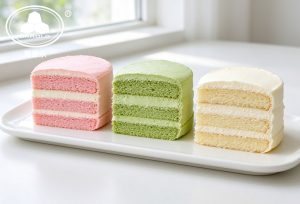
For baked goods, softness and volume are key. The right choice helps dough hold air and stay tender. For example, a good option supports an even crumb and a longer shelf life. Therefore, texture and freshness lead the decision here.
Best for Dairy and Frozen Products
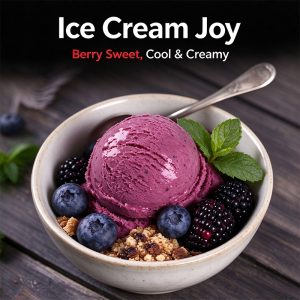
For dairy and frozen products, smoothness and ice control are essential. In particular, the emulsifier should prevent a coarse or icy texture. As a result, stability in cold conditions becomes the top priority.
How to Test Before You Choose
Testing is the most reliable way to confirm your choice. First, prepare small batches with each candidate. Next, check texture, appearance, and stability over time. In addition, run the product through your actual storage conditions. For example, test at the temperature and shelf life you expect. Therefore, you can compare results with real evidence instead of guesswork. A technical partner can help you design and read these tests.
FAQ About Emulsifiers
Which emulsifier is best for a salad dressing?
A stable oil-and-water option works well for dressings. In general, choose one that resists separation during storage. For example, test candidates to find the smoothest result.
What is the best emulsifier for baked goods?
For baked goods, softness and volume matter most. In particular, an option that supports air and tenderness is a strong fit. Therefore, prioritize texture in your tests.
Can I use one emulsifier for several products?
Sometimes, yes, but the results may vary. One option may work well across a few recipes. However, each product can still behave differently. In this way, testing remains important.
How do I know if I chose the right one?
Run a small batch and check it over time. If the product stays smooth and stable, your choice is likely correct. In addition, compare the result against your target texture and shelf life.
Conclusion
The best emulsifiers are not a fixed list. Instead, the right choice depends on your product, your texture goals, and your process. In this article, we covered the key criteria, compared common types by purpose, and explained how to test before you decide. If you are developing a formula or improving an existing one, a careful comparison will save time and reduce risk.
Now, we would like to help you take the next step. If you have questions about choosing an emulsifier or want guidance on your formulation, please leave a message on our website form. Our team at Cardlo will review your needs and reply as soon as possible. We look forward to helping you find the best solution for your product.