Food emulsifiers work best when matched to a need. In fact, the same ingredient can serve very different jobs. In this article, we organize applications by function. We explain what each function delivers. In addition, we show which products rely on it. By the end, you will see the link between function and use.
Function 1: Emulsion Stability
This function keeps blends from splitting. Below, we explain.
What It Delivers
Stability keeps oil and water together. In fact, the product stays even. For example, a sauce does not separate. In addition, the texture stays smooth. Therefore, quality holds over time.
Where It Applies
This function suits many liquids. In fact, dressings and sauces depend on it. For example, mayonnaise stays blended. In addition, beverages keep flavors dispersed. As a result, it supports consistency.
Function 2: Aeration and Volume
This function supports air in the structure. Below, we explain.
What It Delivers
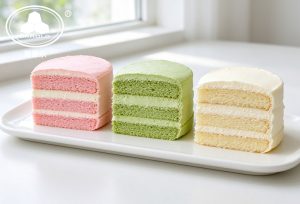
Aeration creates a light texture. In fact, air becomes part of the structure. For example, ice cream feels creamy and light. In addition, cake batter rises evenly. Therefore, the texture improves.
Where It Applies
This function suits frozen and baked goods. In fact, ice cream depends on fine air cells. For example, the texture stays smooth. In addition, cakes gain volume. As a result, it fits these categories.
Function 3: Texture and Softness
This function shapes the eating quality. Below, we explain.
What It Delivers
Texture control makes food feel right. In fact, the crumb becomes tender. For example, bread feels softer. In addition, spreads feel creamier. Therefore, the mouthfeel improves.
Where It Applies
This function suits bakery and spreads. In fact, bread relies on crumb softness. For example, the loaf slices cleanly. In addition, margarine spreads easily. As a result, it serves these products.
Function 4: Anti-Staling
This function extends freshness. Below, we explain.
What It Delivers
Anti-staling slows the loss of softness. In fact, the crumb stays tender longer. For example, bread keeps its texture. In addition, it resists drying. Therefore, shelf life extends.
Where It Applies
This function suits bread and baked goods. In fact, loaves and rolls benefit. For example, the product stays fresh through the week. In addition, texture stays even. As a result, it fits bakery.
Function 5: Crystal and Flow Control
This function manages fat behavior. Below, we explain.
What It Delivers
Flow control keeps fat behavior predictable. In fact, the texture stays smooth. For example, chocolate flows evenly. In addition, fat crystals stay fine. Therefore, the product behaves well.
Where It Applies
This function suits chocolate and confectionery. In fact, chocolate depends on stable fat. For example, it molds evenly. In addition, it keeps a clean gloss. As a result, it serves these products.
How to Match Function to Product
A simple process helps. Below, we explain.
Define the Problem First
Start with the problem. In fact, a clear goal guides the choice. For example, ask whether the issue is splitting or staling. In addition, note the target texture. Therefore, define the need first.
Test in a Small Batch
Then, test a small batch. In fact, a trial shows the real effect. For example, compare texture and stability. In addition, observe over time. As a result, testing confirms the fit.
FAQ About Food Emulsifiers and Applications
Bakery, dairy, sauces, and chocolate. In fact, each needs a function. For example, bakery needs anti-staling. In addition, sauces need stability. Therefore, applications vary.
Anti-staling and texture control. In fact, both improve the crumb. For example, the loaf stays soft. In addition, it slices cleanly. Therefore, these functions matter.
To keep oil and water together. In fact, sauces can split. For example, a dressing stays blended. In addition, the texture stays even. Therefore, stability matters.
Match the function to your goal. In fact, define the problem first. For example, decide between stability and texture. In addition, test in a small batch. Therefore, testing guides the choice.
Conclusion
Food emulsifiers deliver clear functions, and each function fits specific products. In this article, we mapped stability, aeration, texture, anti-staling, and flow control to their uses. If you are developing a food product, this function-first view helps you choose with confidence.
Now, we would like to help you take the next step. If you have questions about food emulsifiers, their applications, or your own formulation, please leave a message on our website form. Our team at Cardlo will review your needs and reply as soon as possible. We look forward to helping you build high-quality, successful products.